Dust and giants: an afternoon in Tarangire's elephant country
By June the plains outside the park have dried to straw, and every elephant for a hundred kilometres knows what that means: the river. The Tarangire River never quite stops flowing, and in the dry season it pulls the herds in like a tide. On a good afternoon, six hundred elephants can come down to drink within sight of a single parked vehicle.
Ours was that vehicle. We switched off beneath a baobab at two o'clock and did not turn the key again until six. There is no better way to understand elephants than to stop chasing them and let the procession come to you — the matriarchs leading files of youngsters out of the woodland, the teenagers shoving each other into the shallows, the tiny calves learning, and mostly failing, to work their own trunks.
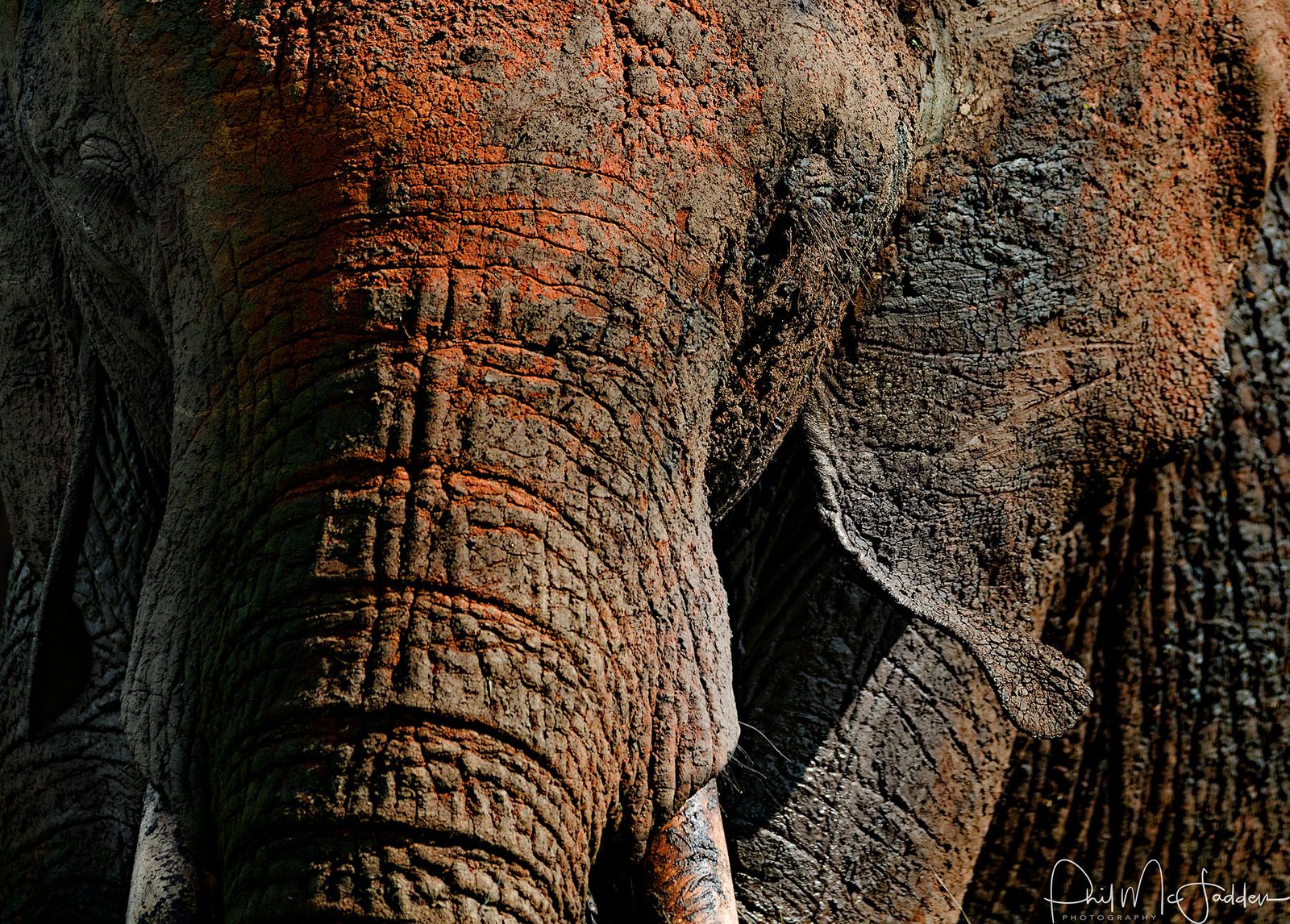
The dust bath
After drinking comes the theatre. Elephants finish every visit to the river the same way — by throwing the red Tarangire earth over themselves in great trunkfuls, a sunscreen and insect repellent thousands of years older than either invention. Backlit by the falling sun, a dusting herd turns into something out of a dream: grey giants moving through curtains of copper light.
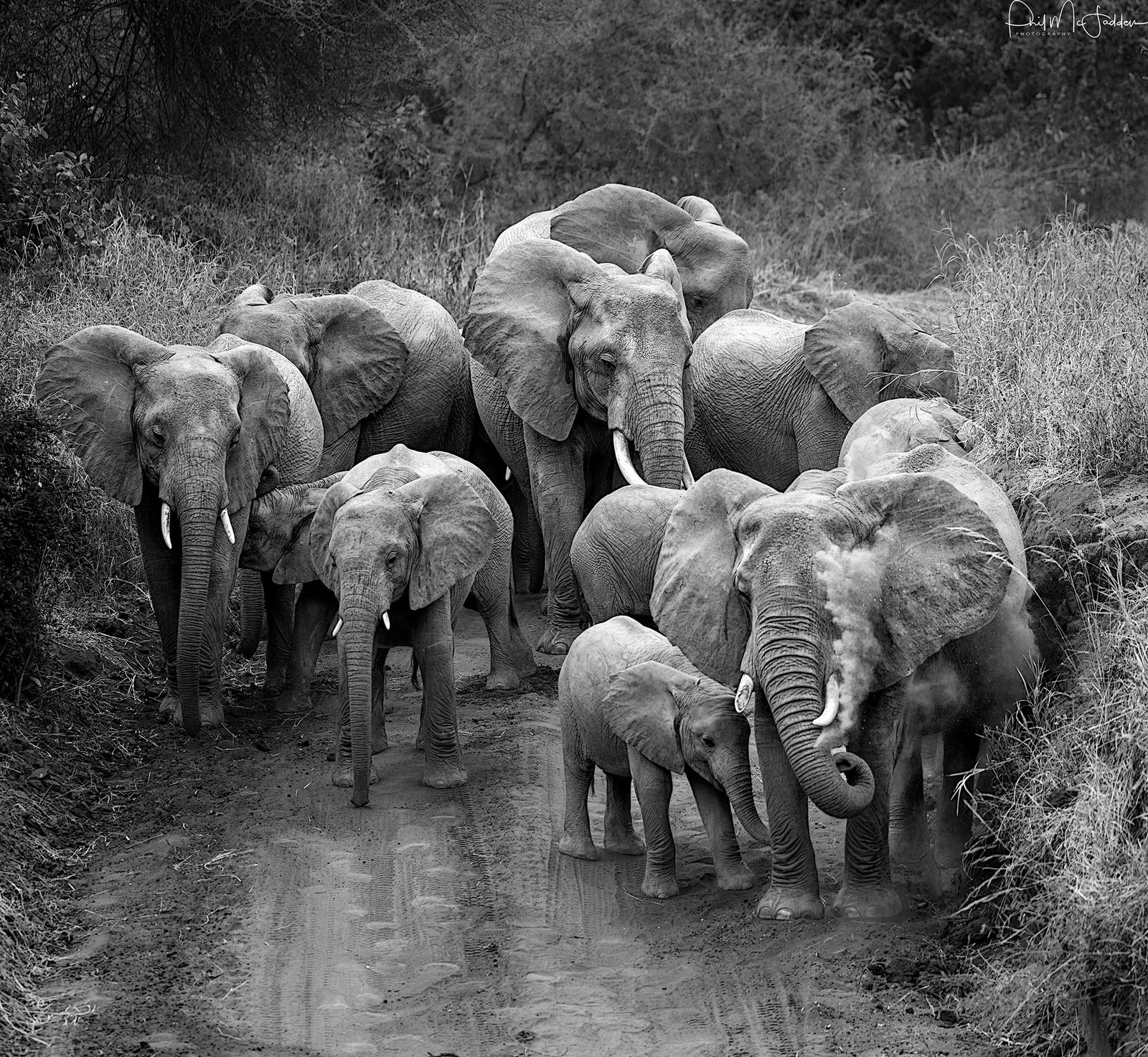
When to come
June to October is the dry season and the great gathering. Come early in the morning or stay for the last hour of light, when the herds are moving and the baobabs go bronze. Most visitors give Tarangire a single hurried day on their way north. We think it deserves two slow ones — it is, quietly, one of the best elephant parks on the continent.
Sit among the giants
The Classic Northern Circuit and our Migration & Culture Odyssey both begin with Tarangire's elephants.
See the expeditions