Safari with children: how Tanzania becomes the best family trip you'll ever take
We have watched a nine-year-old identify a lilac-breasted roller before the guide and a teenager voluntarily surrender a phone for a leopard. A safari does something to children that no resort can: it makes the real world more exciting than the screen. With honest planning around ages and pacing, Tanzania is one of the great family destinations on earth.
What ages work
Most lodges welcome children from six; a few luxury camps set the bar at eight or twelve, and some offer family tents and dedicated guides. Our honest view: from about six, children genuinely engage and remember; from ten, they become the best safari companions you will ever have. Under five, the long drives ask a lot of everyone — consider waiting, or build the trip around a private house with flexible days.
The parks that work best for families
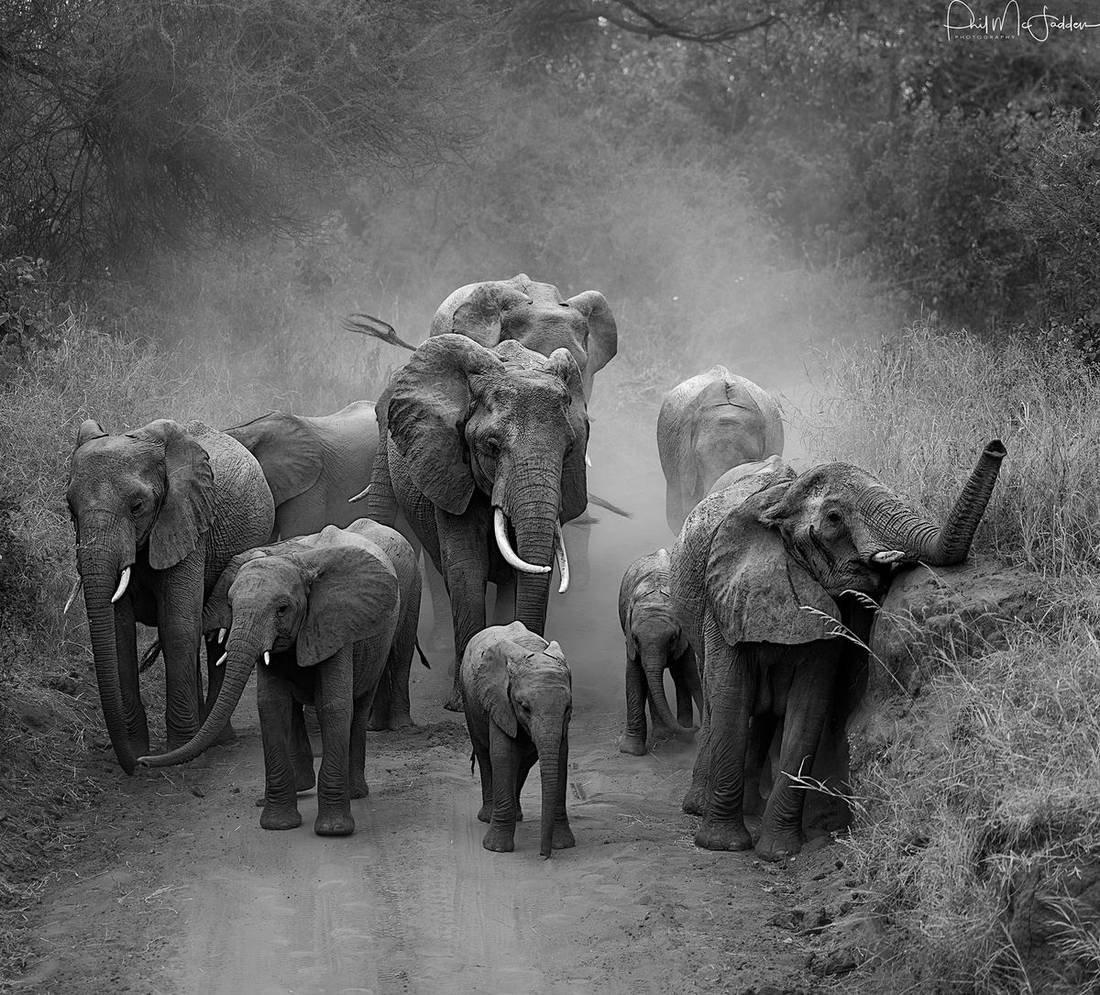
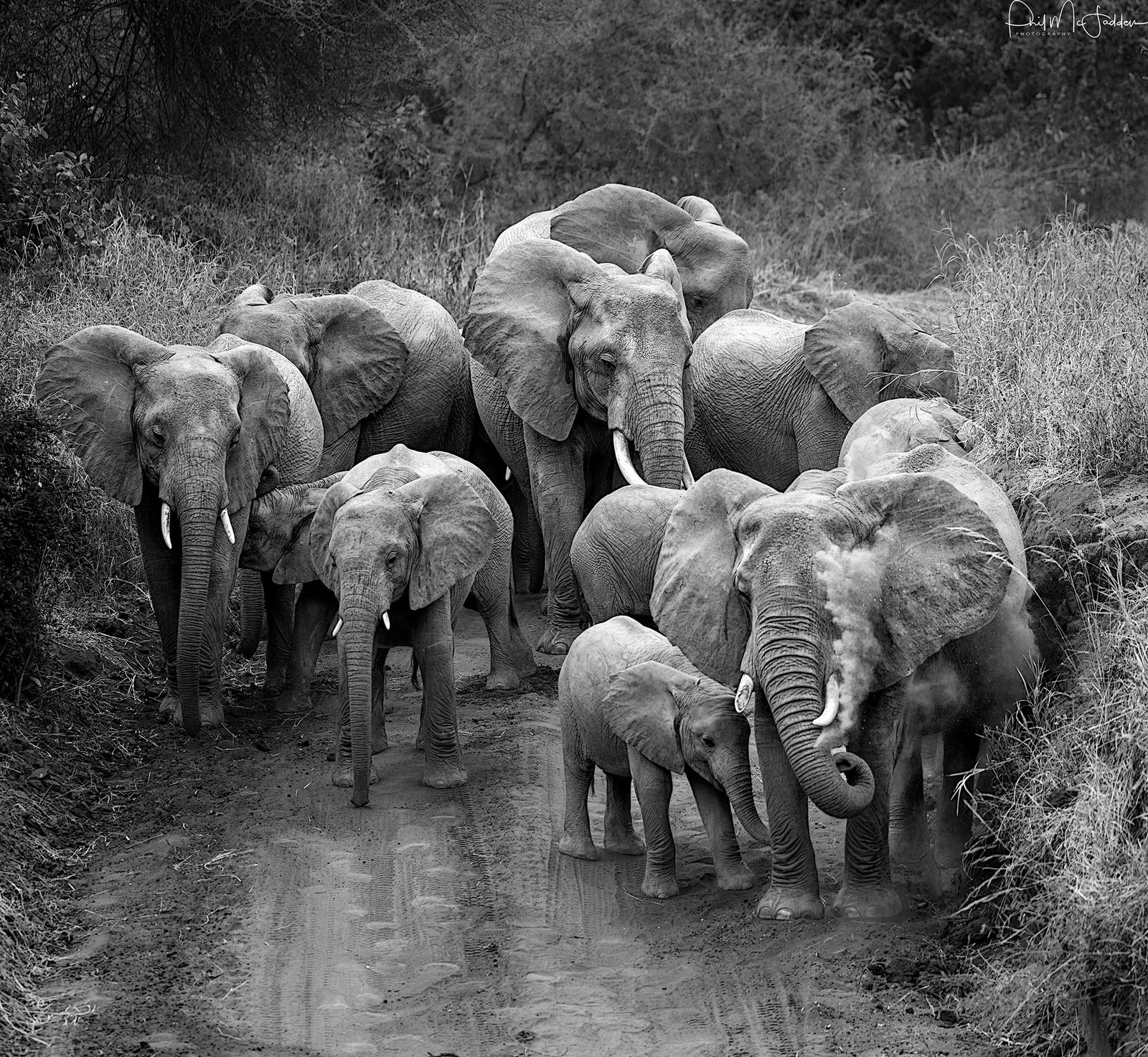
Tarangire is the perfect opener — elephants in numbers within an hour of the gate, and baobabs that look drawn by a child. The Ngorongoro Crater delivers a full safari in one contained, dramatic day. The Serengeti is the main event for every age. We sequence family itineraries to shorten drives: quick wins first, the long haul once the safari bug has bitten.
Pacing is everything
The family safari that fails is the adult safari with children bolted on: ten-hour drives and dawn starts every day. The one that succeeds alternates — a big drive day, then a slow morning with a pool afternoon; a picnic breakfast instead of a 5:45 start; a Maasai village visit or a spear-throwing lesson to break the vehicle rhythm. Private vehicles matter doubly with children: you stop when they are hungry, return when they are done, and nobody else's holiday depends on your toddler's mood.
The practical bits
Malaria prophylaxis is family-standard — talk to your travel clinic about child dosing. Camps produce child-friendly meals without drama. Bring each child their own binoculars (a cheap pair beats sharing), an animal checklist, and a bean-bag window seat. And end with two or three days on Zanzibar: after the dust and the drama, a warm ocean is the perfect last chapter — and the flight is barely an hour.
A family day, redesigned
Here is how we reshape the classic safari day for a family with, say, an eight- and an eleven-year-old: breakfast at seven instead of coffee at 5:45; out by eight with a picnic; a game drive built around questions and a checklist rather than a species shopping list; back by one; pool, rest and drawing the morning's animals until four; a short golden-hour drive or a guided nature walk around camp; early dinner, and the guide joining for ten minutes of "what was that sound?" before bed. Same park, same animals — completely different holiday. Children set the ceiling on safari enjoyment, and designing around them raises it for everyone.
Learning disguised as holiday
A safari is the best classroom either of us has seen. Guides turn tracks into detective stories; the Maasai boma visit turns into a lesson in how other childhoods work; Swahili numbers get learned for the fun of counting zebra. Ask us for the junior ranger sheets we print for younger guests — spotting checklists, track identification, a bird bingo card — and watch a nine-year-old out-spot the adults by day two. Teenagers get something different: responsibility. Hand them the sighting log or the family camera and the eye-rolling stops remarkably fast.
Safety with children, plainly
The rules that keep adults safe keep children safe — inside the vehicle, escorted after dark, distance from animals — and guides enforce them warmly but absolutely. Camps are used to children: askaris walk families to their tents, kitchens produce plain pasta without a sigh, and family tents put everyone behind one zip. Health-wise, the same malaria precautions apply in child doses, and our itineraries for families stay within two hours of airstrips as a quiet policy. The honest risk on a family safari is sunburn and short tempers on long drives — both solvable with planning.
Costs and the multi-generation option
Children under twelve typically pay reduced park fees and fifty to seventy-five per cent of lodge rates sharing with parents — a family of four does not cost two couples. Triple and family tents beat two rooms on both price and bedtime logistics. And the fastest-growing trip we build is three generations: grandparents, parents, children in one private camp. It works better than anyone expects — the pace variety a family needs is exactly what multigenerational groups need too, and the shared-campfire evenings are the point of the whole exercise.
The teenage safari: a special case worth making
Teenagers deserve their own paragraph because a safari solves a genuinely hard problem: a holiday that impresses a sixteen-year-old. The bush does not negotiate for attention — a lion at ten metres beats any feed — and the semi-forced digital detox (camp Wi-Fi is message-grade, not streaming-grade) resets things families have stopped hoping to reset. Give teenagers roles, not lectures: the sighting log, the family camera, the front seat next to the guide, the map. Several of our guides are masters of the teenage turn — the moment somewhere around day two when arms uncross and the questions start. Parents report the drive home from the airport as the longest sustained conversation in years.
Practical note: teenagers count as adults for park fees and most lodge rates from sixteen, and from twelve to sixteen can join walking activities in most areas — worth building in as their edge over younger siblings.
School calendars and the honest compromise
Most families must travel in school holidays, which map awkwardly onto safari seasons: the long European summer break lands in peak season at peak prices, Christmas is festive but busy, and Easter brushes the long rains. The compromises that work: late August into early September (crossings still running, first-week-of-term crowds gone), the October half-term (superb, underrated, dry-season game viewing at shoulder prices), and Christmas built around the green southern plains rather than the northern classics. What we counsel against is squeezing the classic circuit into a one-week February half-term with jetlagged children — better a shorter, closer itinerary now and the full circuit in a summer when everyone can savour it.
The investment argument
A family safari costs real money, so here is the honest case for it over another beach fortnight: it is the only holiday we know that children retell for decades. The guests who come back to us as adults, booking their own safaris, are overwhelmingly the ones who first came as children — and they can still name their childhood guide. You are not buying a week of entertainment; you are installing a lifelong relationship with the wild, and possibly with a country. Priced per year of remembering, it is the cheapest travel a family ever buys.
And unlike most family purchases, this one appreciates: the photographs get revisited, the stories improve with age, and the checklist from the back seat has a way of resurfacing decades later in a new generation's luggage.
Few investments in a family compound like a shared wilderness — start the tradition while the back seat still argues about who saw it first.
Frequently asked questions
What is the minimum age for a safari in Tanzania?
Parks have no minimum; lodges do — commonly six, sometimes eight or twelve at small luxury camps. Family-run properties and private houses take all ages. Our practical advice: from six they engage, from ten they are superb company.
Are game drives boring for children?
Badly planned ones, yes. Shorter drives, picnic breakfasts, checklists, a guide who performs — and boredom vanishes. The trick is alternating big days with pool days and never treating a travel day as entertainment.
Is malaria medication safe for children?
Paediatric prophylaxis exists and is routinely used — your travel clinic will dose by weight. Nets, repellent and dusk cover-ups do the daily work. Tanzania's safari highlands are lower-risk than the coast, but precautions remain standard.
Can children do a walking safari?
Park rules generally set walking minimums around twelve to sixteen years depending on the area. Under those ages, camp-perimeter nature walks with a guide give younger children the on-foot experience safely.
Should we take children to Zanzibar after safari?
It is the perfect ending — a one-hour flight, warm shallow lagoons, and decompression after the vehicle days. Three nights is the sweet spot; east-coast beaches suit families best for tide-pool mornings.
Do you offer family discounts?
Children sharing with parents typically pay reduced lodge rates and lower park fees, and one vehicle serves the whole family — so per-person costs drop meaningfully. Tell us ages at enquiry and we price it exactly.
Bring the whole pride
Tell us the ages and we'll shape the days around them — family tents, patient guides, and pacing that works for everyone.
Plan your safari