Your first safari: what a day actually looks like
Most first-timers imagine a safari as one long game drive. In reality it has a rhythm as old as the bush itself, set by the animals: out early when the predators are working, rest in the heat when the bush sleeps, out again for the golden hours before dark. Once you fall into it, it is the most restorative holiday pattern we know.
5:45 — the knock on the tent
Coffee arrives with the wake-up call. It is cold enough for a fleece, the sky is going from black to bruised purple, and somewhere a lion is still calling. You roll out of camp as the gates open, because the first two hours of light are the best wildlife hours of the entire day — hunts finishing, cats still moving, the light photographers cross oceans for.
Mid-morning — the long, slow read of the bush
This is the heart of a game drive. Your guide is reading signs the whole time — tracks over last night's tyre marks, a jackal trotting with intent, vultures stacking up in a thermal. You stop for a proper bush breakfast under an acacia, hands around a mug, watching giraffe drift past. Nothing about it is rushed; the moment you stop chasing sightings and start watching behaviour is the moment a safari becomes addictive.
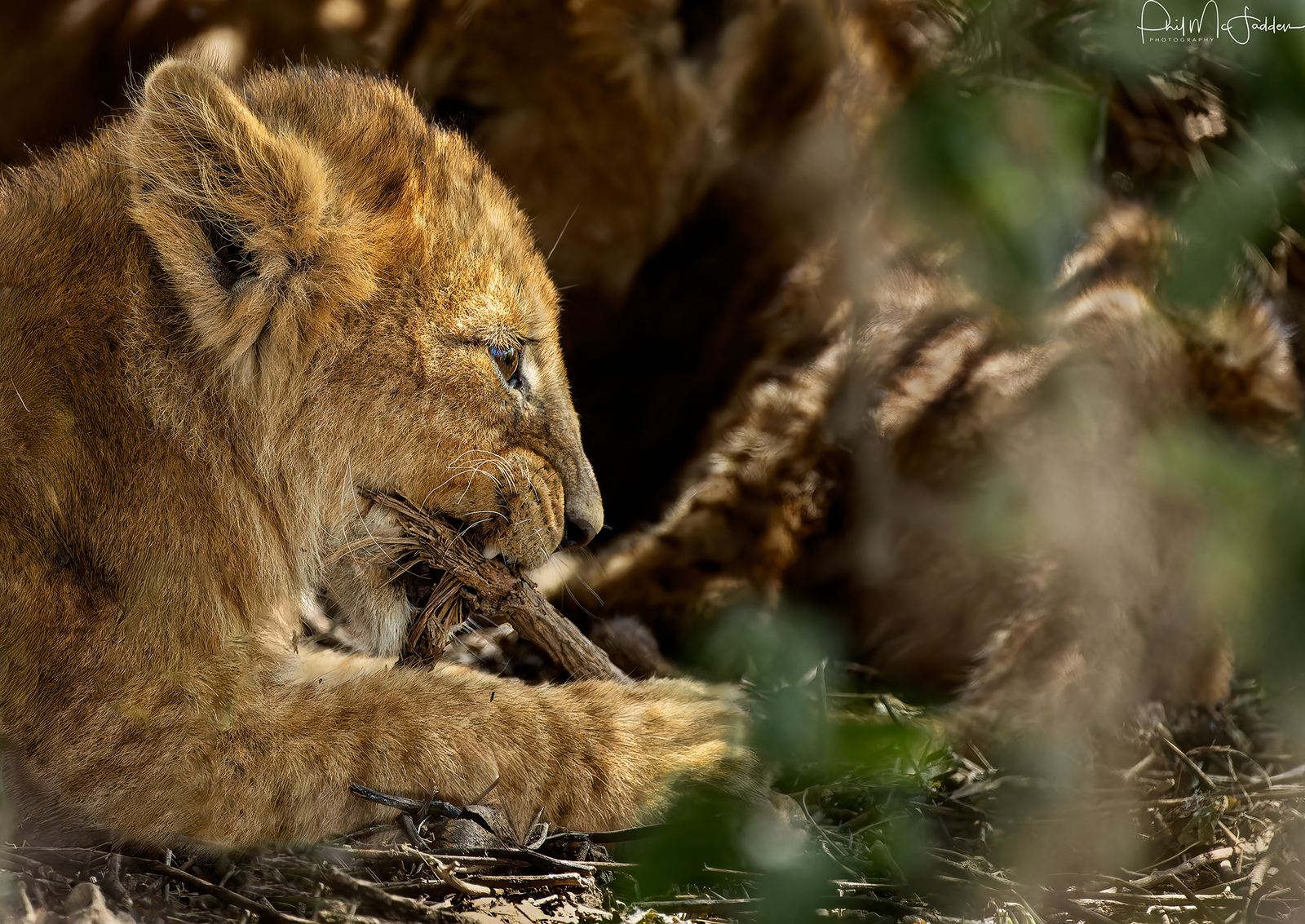
Midday — siesta, pool, or the lodge veranda
The bush goes quiet from about noon and so should you. Lunch, a swim, a sleep, a book — by day three you will understand this is not wasted time; it is what makes the 5:45 starts feel easy. On travel days, this is when you cover ground between parks with a picnic lunch en route.
4:00 — the golden hours
The afternoon drive runs until sunset, and it is a different world: elephants coming down to water, the light turning copper, predators stretching awake. Your guide will position you somewhere beautiful for a sundowner — a drink on the roof of Africa's day. Then back to camp for a fire, dinner under more stars than you have ever seen, and the strange, wonderful business of being walked to your tent by an askari while hyenas whoop in the dark.
Then you do it again — and no two days are ever the same.
Three first-timer tips from our guides
Bring binoculars per person, not per couple — sharing ruins sightings. Ask your guide questions constantly; a good one is a walking encyclopaedia and loves being used as one. And put the camera down for the last ten minutes of every sighting. The photographs matter less than you think; the watching is the thing you keep.
What surprises first-timers most
The cold mornings, first — nobody believes equatorial Africa needs a down jacket until the crater rim at 6 a.m. The silence, second: switch the engine off at a sighting and the bush is louder than you expect — birds, insects, the tearing sound of a grazing hippo — but human-quiet in a way modern life never is. And third, how quickly the vehicle disappears: animals treat a stationary Land Cruiser as scenery, which is why a lion will walk past your open window without a glance.
The other surprise is emotional. Most guests report a strange, happy exhaustion by day three — the effect of full days of fresh air, attention and awe. Build in the siestas; they are not optional.
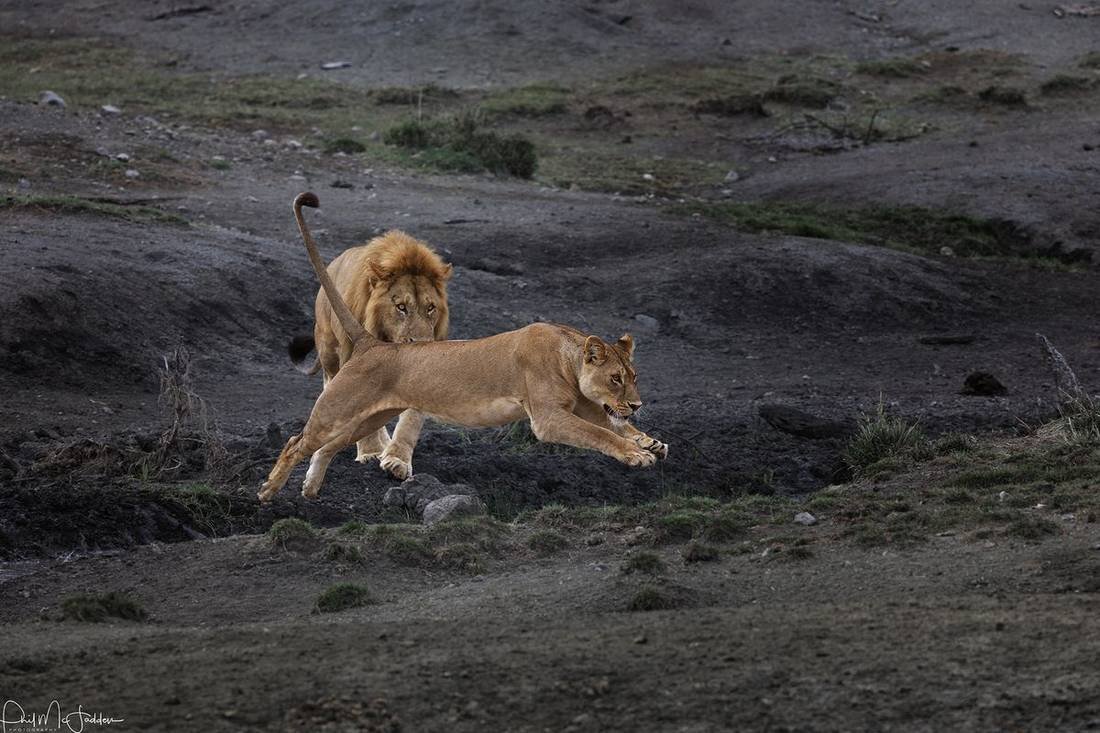
Your guide: the person who makes or breaks it
A Tanzanian driver-guide is simultaneously a wildlife biologist, tracker, mechanic, translator and host. Ours have spent years — often decades — in these parks, and they carry the radio net, the relationships with other guides, and the pattern-memory that says a leopard likes this particular tree in this particular week. Use them: every question you ask makes your safari better, and no question is too basic. The guests who chat with their guide see more, understand more, and enjoy it more — it is the strongest correlation we know of in this business.
Etiquette in the vehicle and at sightings
Speak softly at sightings, stay seated and inside the vehicle's lines, and never call to or feed an animal — the rules exist for their protection and yours. At a busy sighting, guides queue and rotate positions by radio courtesy; ours will sometimes pull away from a scrum and find you something private instead, and that instinct is nearly always right. Off-road driving is prohibited in most zones; a guide who breaks rules to please guests is not a professional, and it is fair to say so.
In camp: the askari walks you to your tent after dark, always. Zip the tent, keep food out of it, and shake out your boots in the morning — mostly out of tradition, occasionally out of genuine necessity.
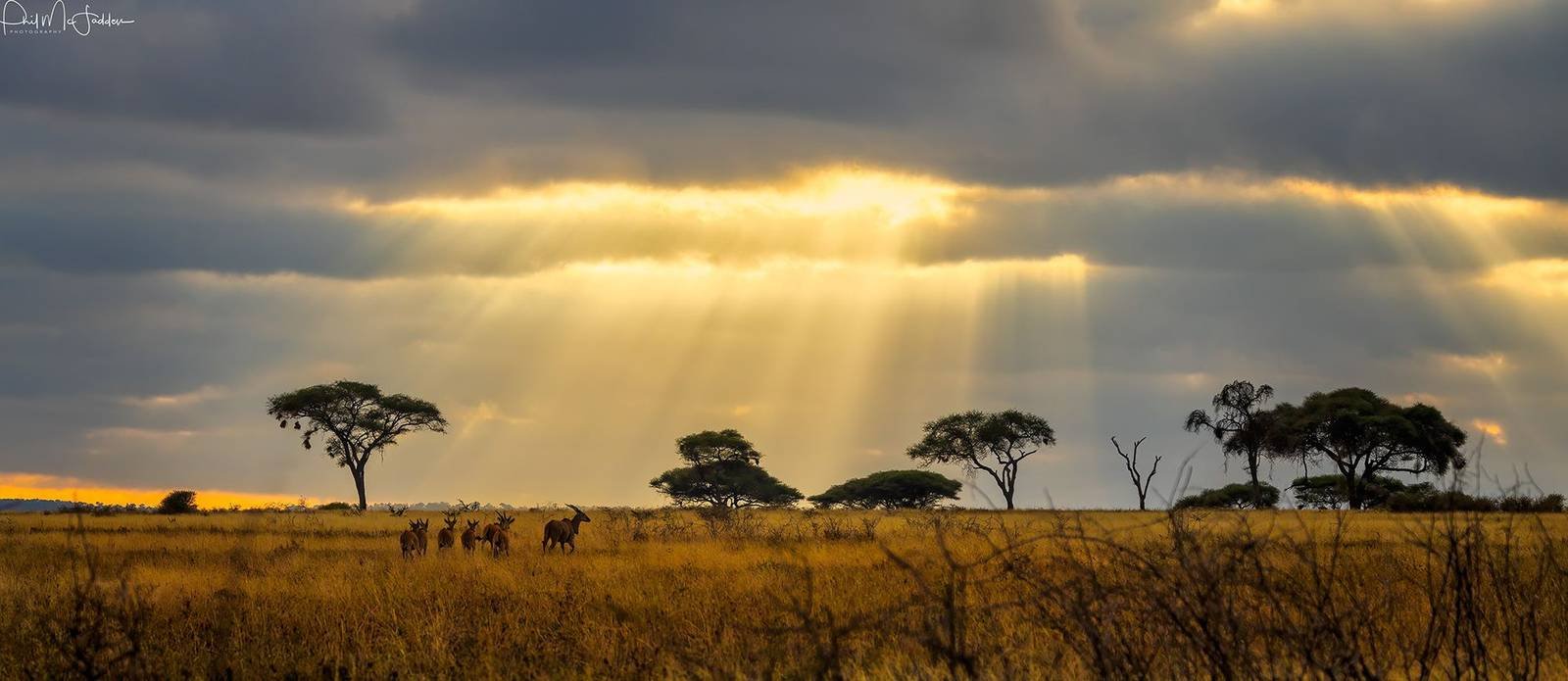
Connectivity, charging and staying in touch
Most camps have Wi-Fi in the mess area — enough for messages and photos, not for streaming. Charging happens in the mess or in-tent at bigger lodges; a power bank bridges the gaps. Tanzanian SIM cards are cheap at the airport if you need constant data. Our honest advice is the opposite: tell people you will be unreachable except evenings. The half-disconnection is one of a safari's best features.
Food, drink and the small comforts
People expect wilderness austerity and meet three-course dinners. Safari kitchens are one of the industry's quiet miracles: bush camps without a power line produce fresh bread, grilled meats and fish, proper vegetarian cooking and puddings that would survive scrutiny in town — all timed around your game drives. Dietary requirements are handled seriously with notice: vegan, gluten-free, halal, kosher-style and allergies are all routine requests now. Coffee is Tanzanian and excellent; the gin-and-tonic at sundown is a colonial-era survival nobody regrets; and drinking water is unlimited and free in every vehicle and camp we use.
The one food rule: breakfast happens twice. The 5:45 coffee-and-biscuit is not breakfast — the real one arrives mid-drive as a bush spread or back at camp, and it is glorious.
After the safari: what guests tell us
There is a pattern in the messages we receive a week after guests fly home. Nobody leads with the lion count. They lead with a moment: the elephant that crossed close enough to hear its stomach rumble, the guide's laugh, the silence at the sundowner, a child asleep mid-drive with binoculars still in hand. First-timers consistently report two other things: that the trip felt easier than they feared — the machinery of camps and guides carrying all the logistics — and that they are already planning the return before the laundry is done. We build first safaris knowing both things: gentle on the nerves, ruinous for future holiday budgets.
The only preparation that really matters
You can read every guide on this site and still be beautifully unprepared for the real thing — that is rather the point of it. The only preparation that genuinely matters is an open schedule and a guide you trust; everything else is detail we handle. Come curious, sleep when the bush sleeps, and let the days take the shape they want to take.
Frequently asked questions
Do I need to be fit for a safari?
No. A classic game-drive safari involves very little walking — the effort is early mornings and long sitting. If you add walking safaris or the crater-highlands treks, moderate fitness is needed; we will always match the itinerary to you.
Is a safari safe for someone who has never camped?
Completely. Even "camping" in Tanzania usually means a proper bed, en-suite bathroom and hot shower inside a large tent. Camps are staffed, fenced by routine rather than wire, and escorted after dark. It is wilderness with room service.
What happens if I get sick in the bush?
Guides carry first-aid kits and radios, camps have medical contacts, and Arusha has good private clinics. We require evacuation-inclusive travel insurance so that in a serious case the flying doctors bring you to care within hours.
Will I definitely see the Big Five?
No honest operator guarantees it — rhino and leopard keep their own schedules. On a well-planned week in the northern circuit you have an excellent chance of all five, and a certainty of lion, elephant and buffalo. The chase is half the point.
Can I choose what we do each day?
On a private safari, yes — within park rules. Long day out or lazy morning, birds or big cats, picnic or camp lunch: your guide shapes each day around you. That flexibility is the main argument for private vehicles.
What language are safaris conducted in?
English is standard for our guides, alongside Swahili. Guides speaking German, French, Spanish or Italian can be arranged with notice — tell us at enquiry stage.
Ready for your first?
First-timers are our favourite guests — tell us your dates and we will build a first safari you'll measure all others against.
Plan your safari