The best time to visit Tanzania for safari, month by month
Ask ten operators when to visit Tanzania and you will get ten versions of "June to October." It is not wrong — but it is incomplete, and it sends everyone to the same parks in the same months at the highest prices of the year. The honest answer is that Tanzania delivers a world-class safari in every month; what changes is which safari.
This guide is the one we give our own guests. It is built on years of being in the parks ourselves — not on brochure seasons.
June to October — the classic dry season
The long rains end in late May, and from June the bush begins to dry and thin. Animals concentrate around rivers and waterholes, grass drops low enough to spot a lion at eight hundred metres, and the days are sunny and mild. This is the easiest, most reliable game viewing of the year — and the busiest.
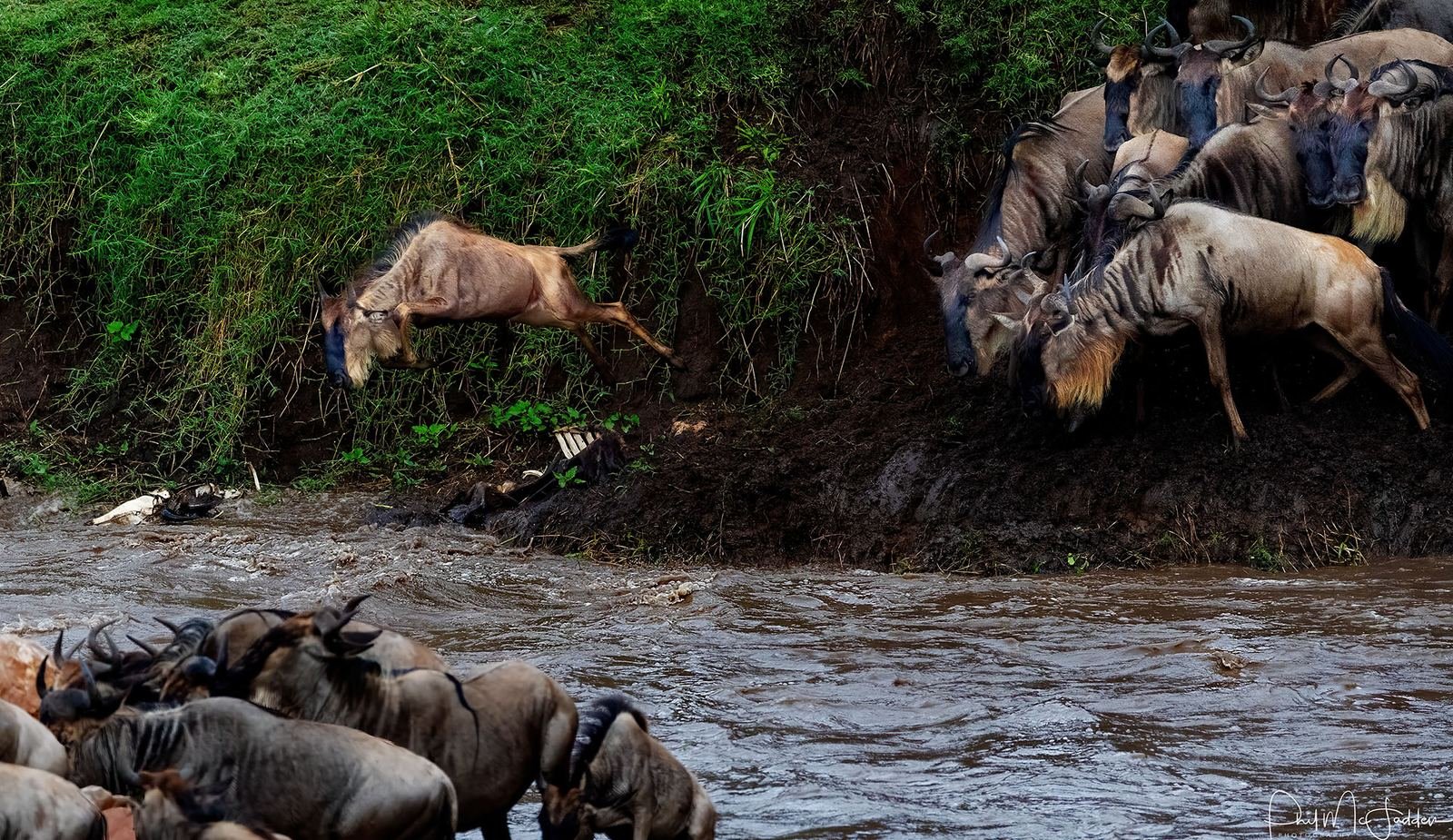
July to October is also crossing season on the Mara River in the northern Serengeti, when hundreds of thousands of wildebeest gamble with the crocodiles. August is the single most dependable month. If a river crossing is your dream, this window is non-negotiable — book eight to twelve months ahead for the camps close to the crossing points.
December to March — calving season in the south
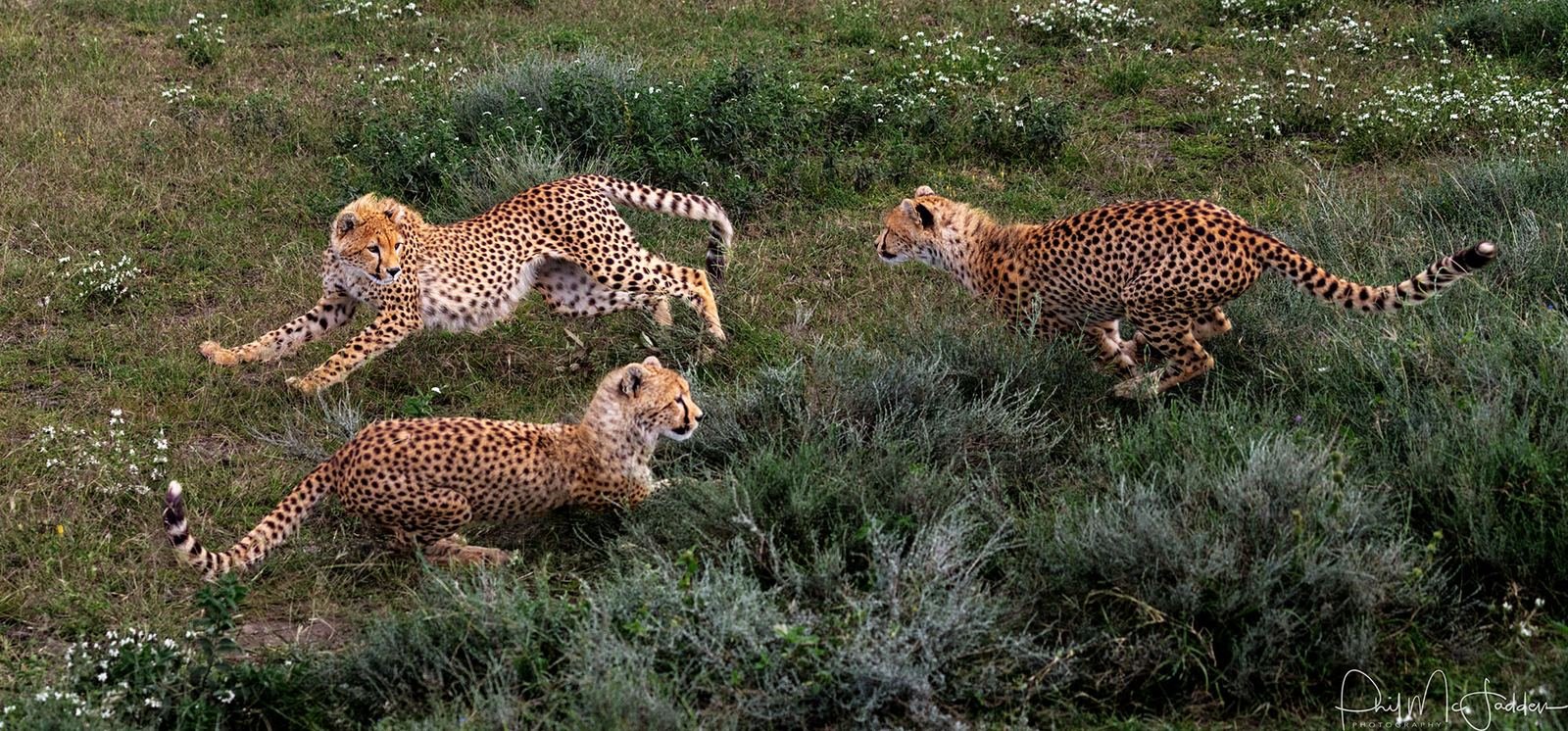
By December the herds have swung south to the short-grass plains around Ndutu, and between late January and March half a million calves are born. Predator action is at its yearly peak — cheetah and lion mothers are hunting daily to feed their own young. The light is soft, the plains are green, and the crowds are a fraction of the dry season's.
For photographers and for anyone who wants big cats with time and space to watch them properly, we think February quietly beats August.
April and May — the green season secret
The long rains fall — usually as dramatic afternoon storms rather than washed-out days. Some camps close; the ones that stay open drop their rates by thirty to forty per cent. The Serengeti is emerald, the migration is still on the move, newborn animals are everywhere, and you can drive an hour without seeing another vehicle.
It is not the season for a first-time, one-shot safari — black cotton roads can test your patience. But for value, solitude and landscapes, nothing touches it.
November — the short rains wildcard
A few weeks of brief showers green the plains and pull the herds south again. Prices sit between seasons, parks are quiet, and Tarangire is still full of elephants. A genuinely underrated month.
How to choose
Want the river crossings? July–October, book early. Want big cats, babies and soft light? February. Want value and empty parks? April–May or November. Want the simplest all-round first safari? June or early October — dry-season game viewing without peak-August pressure.
Tell us the experience you want and we will place the dates around it — that is the whole job.
What the seasons mean for prices
Peak season (July to mid-October, plus Christmas and New Year) carries the highest lodge rates of the year, and the best camps genuinely sell out — the Mara River properties are often full by the preceding November. Shoulder months (June, early November, late January, March) typically run fifteen to twenty-five per cent below peak for the identical safari. Green season (April–May) is the deep discount window, with luxury properties at close to half their August rates.
Park fees never change with the season — the Serengeti costs the same in May as in August — so the saving is entirely in accommodation. This is why a shoulder-season safari in better lodges often costs the same as a peak-season safari in average ones, and is usually the better holiday.
Weather, honestly
Tanzania sits just south of the equator, so "summer" and "winter" mean little — think instead in wet and dry. Dry-season days (June–October) run warm and cloudless, around 25–28°C, with genuinely cold mornings on the crater rim, where a down jacket at dawn is not a joke. The short rains of November are brief afternoon showers; the long rains of April and May bring heavier, longer storms, mostly in the afternoon and night.
The coast and Zanzibar are hotter and more humid year-round; their worst months are April and May, worth remembering if your safari ends with a beach.
Crowds, and how we avoid them
August in the Seronera Valley or at the crater's midday picnic sites can feel busy — this is the reality of a world-famous destination in its famous month. But crowding in Tanzania is intensely local: drive twenty minutes off the popular circuits and you are alone again. Our answers are simple: camps positioned away from the main gates, dawn starts that put you at sightings before the day-trippers arrive, and picnic spots our guides keep to themselves.
If you are crowd-averse by nature, say so — February in Ndutu or June anywhere will suit you better than August, and we will tell you that honestly rather than sell you the postcard month.
Our month-by-month verdict at a glance
January–February: calving, big cats, green light — superb. March: quiet, green, underrated. April–May: lowest prices, wettest roads — for repeat visitors and photographers. June: dry season begins, parks still quiet — excellent. July–August: crossings and crowds — iconic. September–October: crossings continue, pressure eases — our favourite peak choice. November: short rains, low prices — good value. December: festive, green, busy over the holidays themselves.
The regional wrinkle: not all parks peak together
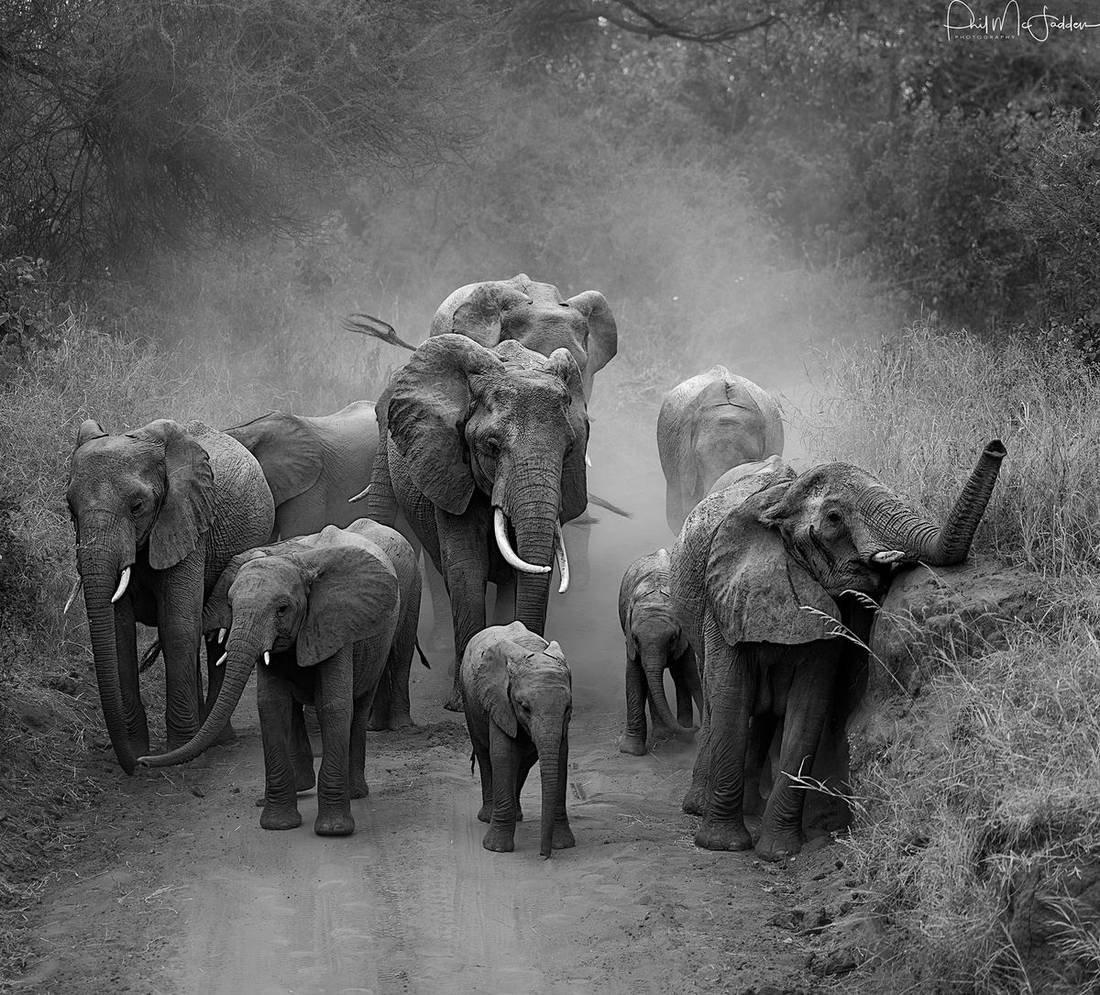
The month-by-month picture above describes the northern circuit, where most first safaris happen — but Tanzania's regions run on slightly different clocks. Tarangire is at its extraordinary best deep in the dry season, August to October, when the river is the only water for fifty kilometres and the elephant herds arrive in their hundreds; in the green months its wildlife disperses and the park relaxes. The southern parks — Ruaha and Nyerere — follow the same dry-season logic but more sharply, and are best June to November. Arusha National Park and the crater highlands are lovely year-round, making them reliable first and last days in any month.
This is why a well-built itinerary is sequenced, not just booked: the same week can start in a park at its peak and end in another just entering its best window. It is also why we ask about your priorities before your dates — the order of parks in February is nearly the reverse of the order in September.
The question behind the question
When guests ask for the best time, they are usually asking something more specific: when will I see the most? The honest answer is that a good guide finds extraordinary wildlife in every month on this circuit — the dry season concentrates animals and makes them easy, the green season scatters them and makes them dramatic. What actually varies most with the calendar is not the wildlife but the experience around it: the prices, the crowds, the light, the temperature of your dawn coffee. Decide which of those you care about, and the calendar chooses itself.
Frequently asked questions
What is the overall best month for a first safari in Tanzania?
For a first safari we usually say June or September–October: full dry-season game viewing, milder crowds than August, and better lodge availability. If the Mara River crossings are your priority, August is the most reliable month and worth its premium.
When is the Great Migration in the Serengeti?
Always — the herds never leave the ecosystem. They calve in the south around February, move west and north through May and June, cross the Mara River between July and October, and return south in November. Your travel month simply decides which chapter you see.
Is it worth going to Tanzania in the rainy season?
Yes, with honest expectations. April and May bring afternoon storms and some black-cotton mud, but also emerald landscapes, newborn animals, near-empty parks and rates thirty to fifty per cent below peak. It suits photographers and repeat travellers more than first-timers.
When should I book a peak-season safari?
Eight to twelve months ahead for July–October travel, and longer if you want specific river camps at Kogatende. Shoulder and green season can usually be arranged two to four months out, sometimes less.
What is the coldest it gets on safari?
The Ngorongoro crater rim at 2,300 metres drops to around 5–8°C before dawn in the dry season, and an open vehicle adds wind. One genuinely warm layer handles it; by mid-morning you are back in a t-shirt.
Does the best time differ for Zanzibar?
Slightly. The coast is at its finest June to October and December to February. April and May are the wettest, most humid months on the islands — if your safari runs then, we would finish inland rather than on the beach.
Time it perfectly
Tell us what you want to see and we will build the safari around the right season — not the other way round.
Plan your safari