The Great Migration, explained: where the herds are every month
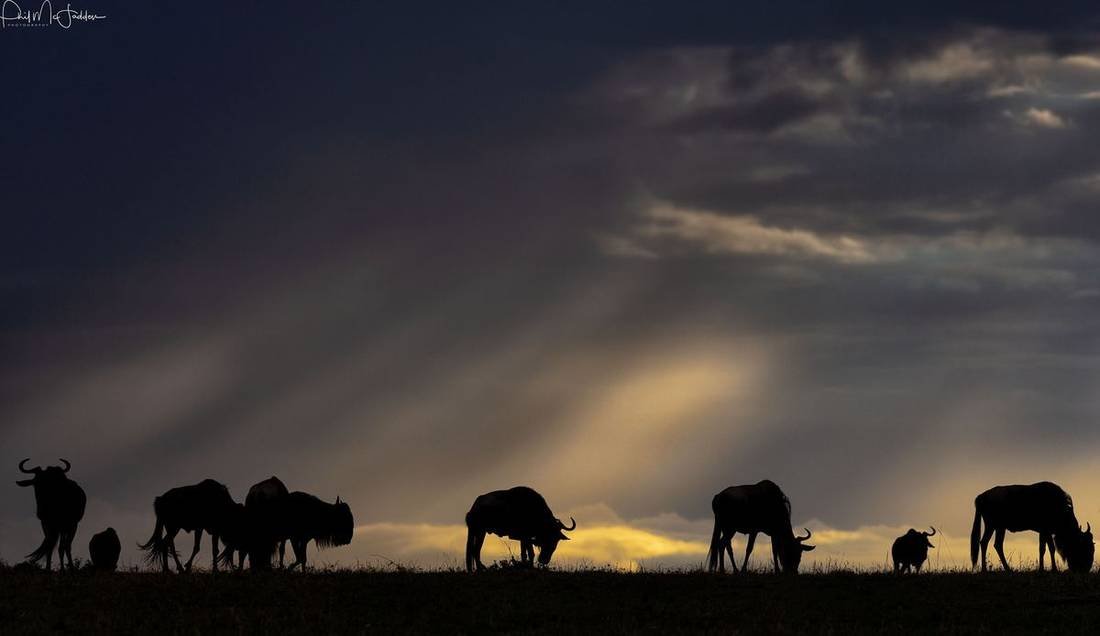
The Great Migration is not an event. It is a permanent, rolling loop of some 1.5 million wildebeest and hundreds of thousands of zebra and gazelle, chasing rain and grass around the Serengeti–Mara ecosystem in a circuit older than any border. There is no month when it is "over" — there is only the question of where the herds are, and whether your safari is standing in the right place.
December to March — the southern plains
The herds mass on the short-grass plains of the southern Serengeti and Ndutu, and in a synchronised three-week burst around February, half a million calves are born. The plains turn into the world's biggest nursery — and its busiest hunting ground. This is the season for predator drama and for having the spectacle largely to yourself.
April to June — the long march west and north
As the plains dry, the columns form — lines of animals stretching to the horizon, moving through the Western Corridor toward the Grumeti River, where the first crocodile gauntlets of the year happen around May and June. Few travellers see this leg, which is precisely its appeal.
July to October — the Mara River crossings
The images you know: thousands of animals piling down the banks at Kogatende into water patrolled by five-metre crocodiles. Crossings happen on no schedule — a herd can mass for hours and melt away because a zebra flinched — which is why staying at the river, not an hour from it, decides whether you witness one. August is the most reliable month; September often the least crowded of the window.
November — the turn for home
The short rains pull the herds south again through the Loliondo and Lobo woodlands — a fast, spread-out leg. By December they are back on the southern plains, and the wheel has turned full circle.
How to actually plan around it
Decide which chapter you want — calving drama or river crossings — and anchor the safari to that region and month. Treat exact herd positions as weather, not timetable: we place you in the right sector and our guides read the rest daily on the radio net. And build in two to three nights minimum at the migration camp; the single-night visit is how people miss crossings by an afternoon.
The numbers behind the spectacle
The migration is roughly 1.3–1.5 million wildebeest, a quarter of a million zebra and half a million gazelle, moving around a 30,000-square-kilometre ecosystem in a clockwise year. The zebra matter more than they get credit for: they crop the long grass first, opening it for the wildebeest behind — a rolling partnership older than the parks. Around 250,000 wildebeest die each circuit — to rivers, predators and exhaustion — and roughly half a million calves replace them each February. The arithmetic is brutal and the reason everything else follows the herds: the migration feeds the entire predator economy of the Serengeti.
Crossings: managing expectations honestly
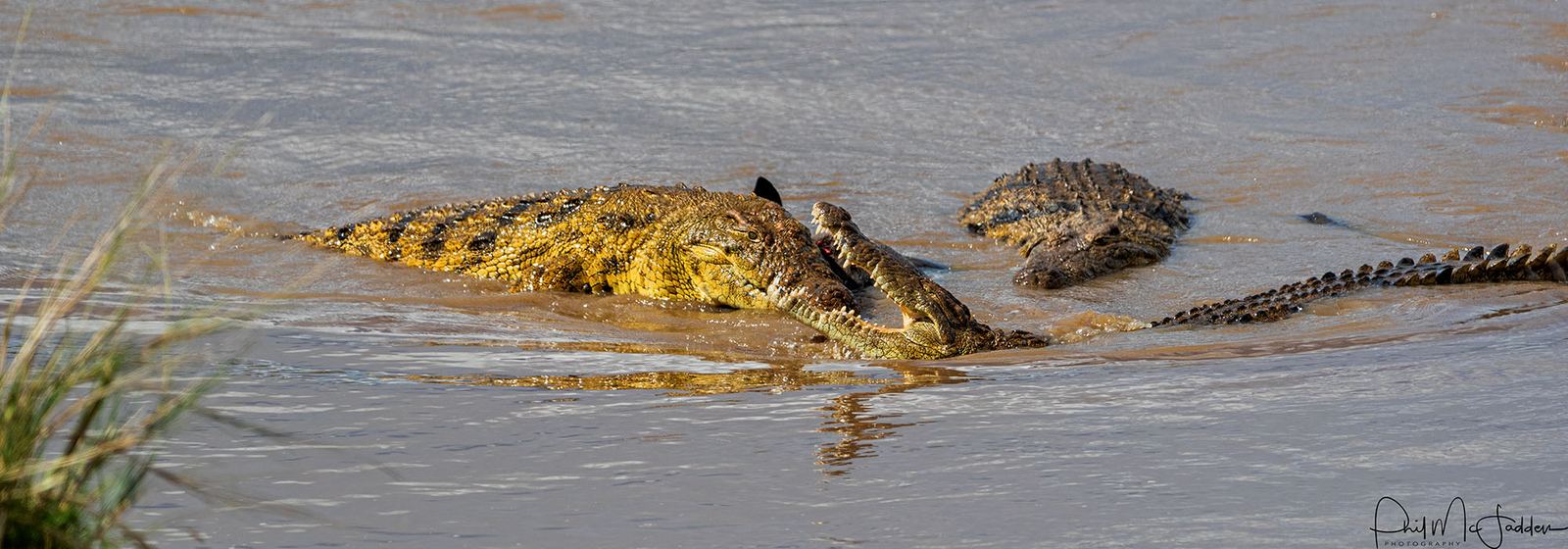
Some Augusts deliver a crossing a day at Kogatende; occasionally the river runs quiet for a week. A crossing is a probability to be engineered, not a ticket to be bought — and the engineering is: sleep by the river, commit full days to it, and let your guide read the massing herds rather than chase rumours. Guests who give the river three days see a crossing far more often than not; day-trippers from distant camps mostly see the aftermath.
One more honesty: crossings are graphic. Crocodiles succeed, calves drown, and it happens in front of you. It is the most primal thing most people ever witness — but if that is not what you want, February's calving season delivers equal drama with more life than death in it.
Beyond the wildebeest: what travels with the herds
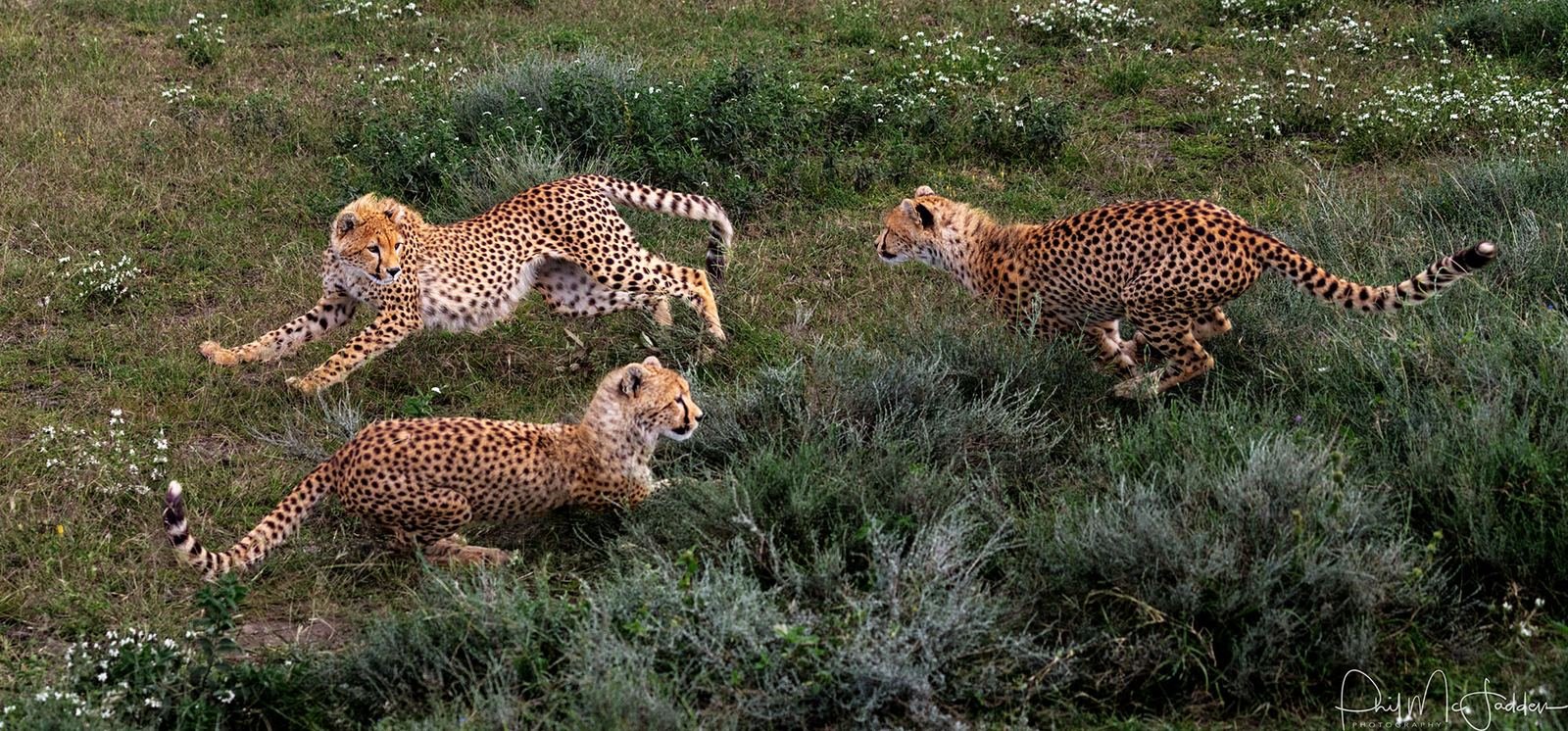
The migration is an ecosystem on the move. The big Serengeti prides hold territories along the route and feast in sequence as the herds pass; nomadic males shadow the columns. Cheetah work the fringes where the grass is short; hyena clans commute astonishing distances behind the herds; and the sky travels too — vultures track the columns from thermals a mile up. Even the small things move: dung beetles, the birds that follow them, the whole busy under-layer. Watching the migration properly means watching everything around it.
Choosing your migration safari
For the crossings: our Grand African Safari ends with three full days at the Mara River in the peak window, and shorter private northern itineraries can be built the same way. For calving season: the Migration & Culture Odyssey gives Ndutu two dedicated days in the green months. For both in one lifetime — many guests do exactly that, a February trip and an August trip a year or two apart, and argue afterwards about which was better. There are worse arguments to have.
A note on the river itself
The Mara is not a wide river — at the main Kogatende crossing points it runs perhaps forty to sixty metres bank to bank. Its danger is architecture: steep cut banks that funnel the herds into a handful of entry ramps, rocks that break legs, currents that take calves, and a resident population of Nile crocodiles that includes animals over five metres long — some of them old enough to have eaten at forty consecutive migrations. The herds know all of this, which is the drama: the massing, the retreating, the electric moment when the pressure of a hundred thousand bodies behind outweighs the fear of the water ahead.
The Grumeti, further west and earlier in the year, stages a smaller rehearsal with equally enormous crocodiles. It sees a fraction of Kogatende's visitors, and June travellers should consider it seriously.
Following the herds without the herd of vehicles
Migration tourism concentrates precisely where the drama does, and an August crossing can draw a line of vehicles. Position and patience beat competition: camps on the western bank face fewer neighbours, dawn river checks beat mid-morning arrivals, and a guide with the patience to wait at a promising ramp beats one who chases radio calls back and forth all day. In calving season the same principle applies with less pressure — Ndutu's mobile camps move with the herds each season, and choosing one of them over a fixed lodge an hour away is the whole game. This is, frankly, where a good operator earns their margin: anyone can sell you the migration month; the position within it is the product.
The last word
Statistics and month-maps make the migration sound like an engineering problem, so here is the correction: no spreadsheet survives first contact with a hundred thousand animals on the move. The sound arrives before the sight of them — a bass note you feel in the vehicle's floor — and the scale rewrites something permanent in the people watching. Plan with the calendar, then let the plains do what they have done for a million years.
Frequently asked questions
Where is the Great Migration right now?
As a rule of thumb: southern plains December–March, western corridor April–June, Mara River July–October, moving south again in November. Within any month the herds spread across huge fronts — which is why we position camps by season and let guides fine-tune daily.
Can you guarantee seeing a river crossing?
No one honestly can — crossings follow the herds' nerve, not a timetable. What we can do is stack the odds: a camp minutes from the crossing points, three river days, and guides on the radio net. Most guests who give it that see at least one.
Is the migration only in Tanzania?
About eighty per cent of the circuit runs inside the Serengeti ecosystem in Tanzania; the herds cross into Kenya's Maasai Mara roughly August to October. You do not need to change countries to see crossings — the Mara River runs through northern Serengeti at Kogatende.
What is calving season and when is it?
A three-week burst around February when roughly half a million calves are born on the southern short-grass plains. It is the migration's richest predator season and the quietest, greenest time to watch it.
Which is better — calving season or the crossings?
Different films, same cast. Crossings are the spectacle: mass, noise, crocodiles. Calving is the drama: hunts, newborns, cats with cubs, soft light and few vehicles. First-timers usually choose the crossings; photographers and repeat guests lean February.
How far in advance should a migration safari be booked?
River camps for July–October sell out eight to twelve months ahead — book early. Calving season needs three to six months. Late planners can still reach the herds; the compromise is usually camp position, which is the thing worth protecting.
Meet the herds
Our Migration & Culture Odyssey and Grand African Safari are built around the herds' calendar — tell us your months and we'll do the maths.
Plan your safari