Serengeti or Ngorongoro Crater — which should you choose?
They sit three hours apart on the same circuit, and they could not be more different. The Serengeti is scale: 15,000 square kilometres of grass and sky where the drama comes to you in waves. Ngorongoro is concentration: a collapsed volcano holding some 25,000 large animals inside walls 600 metres high. One is a symphony; the other is a snow globe.
The case for the Serengeti
Nothing prepares you for the size of it. You can watch a storm cross the plains for an hour before it reaches you. The Serengeti carries the great migration for most of the year, the big cat densities are extraordinary — resident prides on the Seronera kopjes, cheetah on the open short-grass — and multiple days here never repeat themselves. If you only have appetite for one, and wildlife theatre is what you came for, the Serengeti is the answer.
Its only honest drawback: it earns its size. You need at least two full days, ideally three, and getting there takes a long scenic drive or a light aircraft.
The case for Ngorongoro
The crater compresses a full safari into a single day. Lions at close range, huge bull elephants with ivory you no longer see elsewhere, flamingo-pink soda lakes — and it is the most reliable place in Tanzania to see the critically endangered black rhino. The descent itself, through cloud forest into the caldera, is one of Africa's great arrivals.
The honest drawbacks: it is popular, especially mid-morning in peak season, and one day is genuinely enough — the magic does not compound on a second descent the way the Serengeti's does.
The answer almost everyone lands on
Do both, weighted toward the Serengeti. The classic shape — and the one our Classic Northern Circuit follows — is two to three days Serengeti, one crater day, with Tarangire's elephants on the way in. Go into the crater at dawn, before the day-trippers arrive from Karatu, and finish your safari with the descent rather than starting with it: after the crater, anything else feels small.
If you truly must choose one: choose the Serengeti with three days, and leave the crater as the reason you will come back.
What a day in each actually costs
The parks price differently. Serengeti fees run just over $80 per adult per day plus camp concession fees. Ngorongoro charges a similar personal entry fee plus the crater service fee of nearly $300 per vehicle for the descent — which is why the crater day is often the most expensive single day of a northern circuit, and why it is worth doing properly, at dawn, rather than squeezed into a half-day.
Neither is a budget option, and neither should be — but the structure explains why itineraries treat the crater as one perfect day and the Serengeti as the place to spend the nights.
The wildlife scorecard, honestly
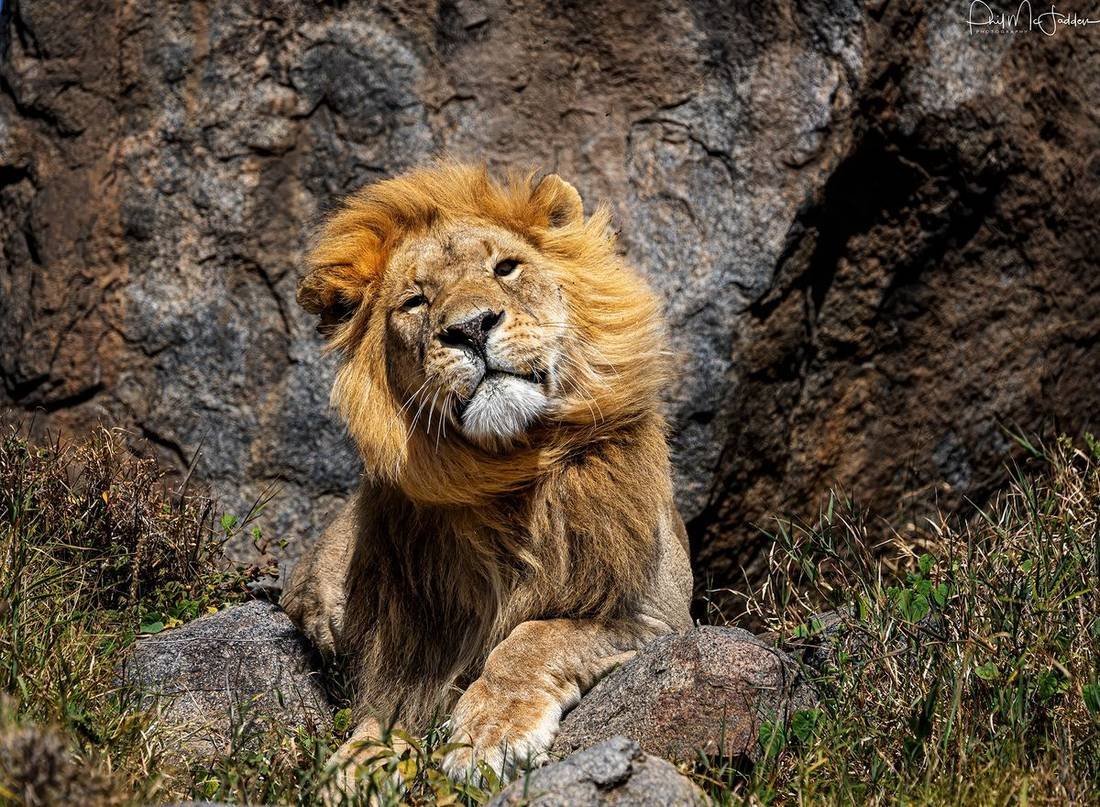
Lions: both, in numbers — the crater's are famously relaxed around vehicles; the Serengeti's live wilder, more complete lives. Cheetah: Serengeti, clearly — they need the open running room. Leopards: Serengeti's river-line trees are the classic sighting; crater leopards exist but hide in the forest walls. Black rhino: the crater, decisively — the Serengeti's are rarely seen. Elephants: the crater holds huge lone bulls with heavy ivory; Tarangire, next door, out-does both for herds. Flamingos: the crater's soda lake, in season, turns pink.
The migration itself is purely a Serengeti phenomenon — the herds do not enter the crater. If your dates align with the crossings or the calving, that decides the weighting for you.
Where you sleep matters differently
In the Serengeti, your camp's position is your safari — central Seronera for year-round cats, Ndutu in calving season, Kogatende for the crossings. In Ngorongoro you do not sleep inside the caldera at all; you stay on the rim (spectacular, cold, convenient for the dawn descent) or in the Karatu coffee farms below (warmer, better value, thirty minutes further). We usually recommend rim for one night for the sunrise, Karatu for value on longer stays.
The combinations that work
Six days: Tarangire (1) → Serengeti (3) → crater (1) plus travel — our Classic Northern Circuit. Seven days adds Lake Manyara or a second crater-highlands day. Four days flying: straight into the Serengeti (3) with a crater day on the drive out — our Luxury Serengeti & Ngorongoro does exactly this with the Four Seasons as the base. Under four days, choose one park and do it justice rather than sampling both badly.
The crater highlands nobody mentions
Ngorongoro is not only the caldera. The wider conservation area is a highland world of collapsed volcanoes, Maasai cattle trails and cloud forest, and it hides the finest walking country on the northern circuit. Empakai crater — two hours from the rim — offers a descent on foot to a flamingo-filled soda lake with views to the active volcano Ol Doinyo Lengai; Olmoti's waterfall walk takes a gentle morning. Because vehicles dominate safari thinking, almost nobody does this — which is exactly why our Highlands Walking Safari builds two days here. If your Serengeti-versus-Ngorongoro deliberation is really a wildness-versus-convenience question, the highlands are the third answer most itineraries never offer.
Olduvai Gorge sits between the two parks as well — the fossil site where the Leakeys rewrote human history. As a museum stop on the drive it is forty-five minutes well spent; palaeontology enthusiasts can arrange site walks with the resident researchers.
Our verdict, case by case
First safari, seven days or more: both, weighted two-to-one toward the Serengeti — the answer for most travellers. Four days or fewer: Serengeti only, flying, with the crater saved for the return trip. Photographers: Serengeti heavily; the crater for one disciplined dawn. Families: the crater rises in value — its single contained day suits shorter attention spans — but keep two Serengeti days minimum. Rhino-focused travellers: the crater is non-negotiable. Migration chasers: Serengeti, positioned by month, and the crater only if days allow. Repeat visitors: skip neither, but add the highlands on foot — the version of Ngorongoro you have not met yet.
A note on expectations, from the driving seat
One last honesty from years of guiding both: the crater astonishes on arrival and satisfies by lunch; the Serengeti often starts slowly and then owns you completely by the second evening. Guests occasionally radio their disappointment mid-morning on their first Serengeti day — where is everything? — and then, by the campfire that night, describe the afternoon's leopard as the best hour of their travelling lives. The Serengeti is a slow-burn masterpiece; give it the time to work, and it repays you in a currency the crater's single perfect day cannot print.
Whichever way your itinerary leans, arrive with the right expectation for each: the crater is a spectacle to witness; the Serengeti is a world to inhabit. Plan the days accordingly and neither will ever disappoint you.
And if the choice still refuses to settle, send us the question exactly as it stands in your head — it is our favourite email to answer, and the reply will be specific to your dates, your budget and the season's herds rather than anyone's brochure.
Frequently asked questions
Can you do the Serengeti and Ngorongoro in one trip?
Yes — they sit on the same circuit three hours apart, and almost every northern itinerary pairs them. The classic shape is two to three Serengeti days plus one full crater day, usually with Tarangire on the way in.
Is one day enough for the Ngorongoro Crater?
Genuinely yes. The caldera is compact enough to cover in a dawn-to-mid-afternoon day, and the magic does not compound on a second descent the way the Serengeti's does. Spend the saved day in the Serengeti.
How many days do you need in the Serengeti?
Two full days minimum, three ideally. The park is 15,000 square kilometres; one day is a drive-through, not a safari. Extra Serengeti days reward you more than extra days anywhere else in Tanzania.
Which is better for seeing rhino?
Ngorongoro, by a distance. The crater holds one of East Africa's best-protected black rhino populations and sightings are a realistic hope on any full day. In the Serengeti they are present but very rarely seen.
Which is better for photography?
The Serengeti for light, space and behaviour — hunts, crossings, storms across open plains. The crater for close range and guaranteed variety in a single morning. Serious photographers weight their nights toward the Serengeti.
Do the wildebeest ever enter the crater?
A resident population of a few thousand wildebeest and zebra lives on the crater floor year-round, but the great migration itself never descends — the herds circulate the wider Serengeti ecosystem. For the migration spectacle, the Serengeti is the only answer.
See both, properly
Our Classic Northern Circuit and Serengeti & Crater Highlights pair the two icons the right way round.
Plan your safari