Arusha to Tarangire and Lake Manyara: the honest drive guide
Every northern-circuit safari we run begins with one of two drives out of Arusha. Turn towards the Rift Valley and you reach the Lake Manyara gate at Mto wa Mbu in two and a half to three hours, on tarmac the whole way. Take the Dodoma road instead and the Tarangire gate is two to two and a half hours away, the last seven kilometres of it on gravel.
Both parks sit close enough to Arusha for a genuine day trip, and both make a better first safari day than anything else within reach of town. This guide covers what the drives actually involve: the real times at legal speeds, the traffic window worth avoiding, what the gates cost in 2026, and when the rains change the arithmetic.
The numbers here are the ones we plan with, not the ones a mapping app produces. The difference matters, and we will explain why.
One road out of town, then a fork
Both drives start on the same stretch of tarmac heading south-west out of Arusha, through a chain of villages and trading centres where the limit drops to 50 km/h and the speed bumps are built to be respected. At the Makuyuni junction the routes part company: right for Mto wa Mbu and the Lake Manyara gate, straight on along the Dodoma road for the signed Tarangire turn-off.
Because the first stretch is shared, the two drive times sit close together, and the same advice applies to both. The road is good. It is not fast, and it was never meant to be.
Manyara first: 120 km of tarmac, 2.5 to 3 hours
The Manyara gate sits about 120 kilometres from Arusha, at the edge of Mto wa Mbu town, where the Rift Valley wall rises straight out of the plain. Allow two and a half to three hours door to door. The surface is tarmac the entire way, which makes this the most weather-proof park drive in northern Tanzania — the time barely moves between January and the depths of the long rains.
Mto wa Mbu itself is a proper town, with fuel, a busy market and red-banana sellers at the roadside. The park gate is on its doorstep, so you clear formalities and are into the groundwater forest within minutes.
Tarangire: two to two and a half hours, then a gravel tail
Tarangire is the nearer of the two. From Arusha, plan on two to two and a half hours to the main gate: tarmac down the Dodoma road, then a final stretch of roughly seven kilometres of gravel from the turn-off to the gate itself.
In the dry season that gravel is a non-event — corrugated in places, dusty, done in a quarter of an hour. In the rains it turns greasy and slow, and it is the one part of either journey where a proper 4x4 stops being a comfort and becomes the sensible choice.
Why the map app gets both drives wrong
Licensed passenger vehicles in Tanzania are speed-governed at 80 km/h everywhere, and LATRA's vehicle tracking enforces it. Add the 50 km/h village limits, the speed bumps that anchor them and routine police checkpoints, and the average a law-abiding driver actually achieves sits far below what a routing algorithm assumes.
This is why a mapping app will promise you Manyara in well under two hours, and why nobody who drives the road quotes that figure. Our times are the range an ordinary vehicle hits on an ordinary day, and we would rather you plan on those.
Leave before the town wakes up
Arusha traffic peaks from 07:00 to 09:00 and again from 16:30 to 19:00, and at its worst it can add an hour before you have properly left town. The fix costs nothing: leave at 06:00 or shortly after and you are clear of it entirely, westbound before the school run and at the gate by mid-morning at the latest.
Coming back matters less: you will meet the evening peak either way, so protect the outbound leg and let the return take what it takes. The early start pays twice, because the first cool hours inside a park are consistently the best game viewing of the day.
The day-trip arithmetic
Tanzania's parks allow driving from 06:00 to 18:00, and both of these fit inside that window from Arusha. Leave town at 06:00 and you are through the Tarangire gate by roughly 08:30, with six or more hours inside before turning for home; Manyara runs perhaps half an hour tighter in each direction. Either way you are back in Arusha by early evening.
It is a long day, and we will say so plainly: a night near the park turns the same visit into something far more relaxed. But as day trips go, these are the only two northern parks where the arithmetic honestly works.
Why these two are the classic first-day parks
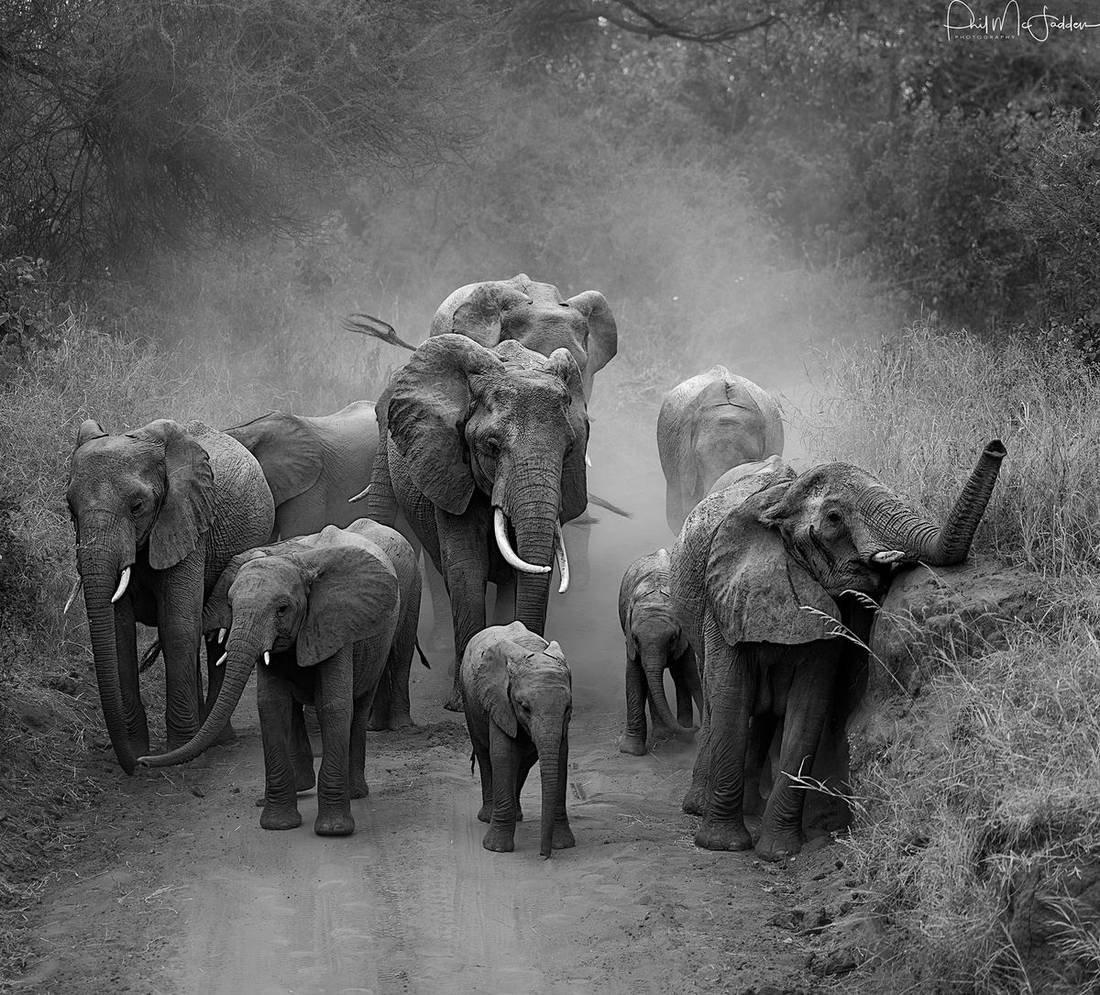
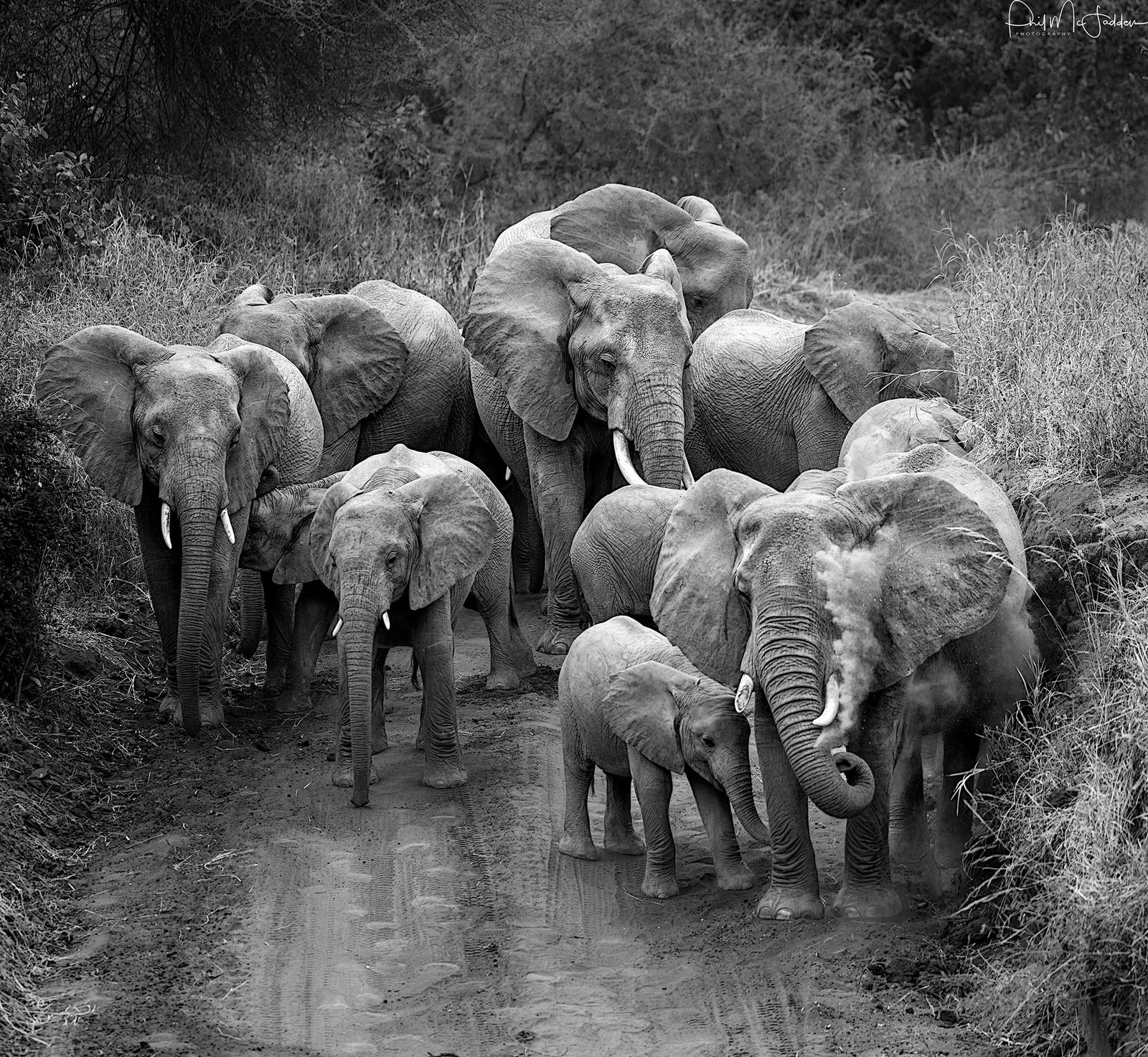
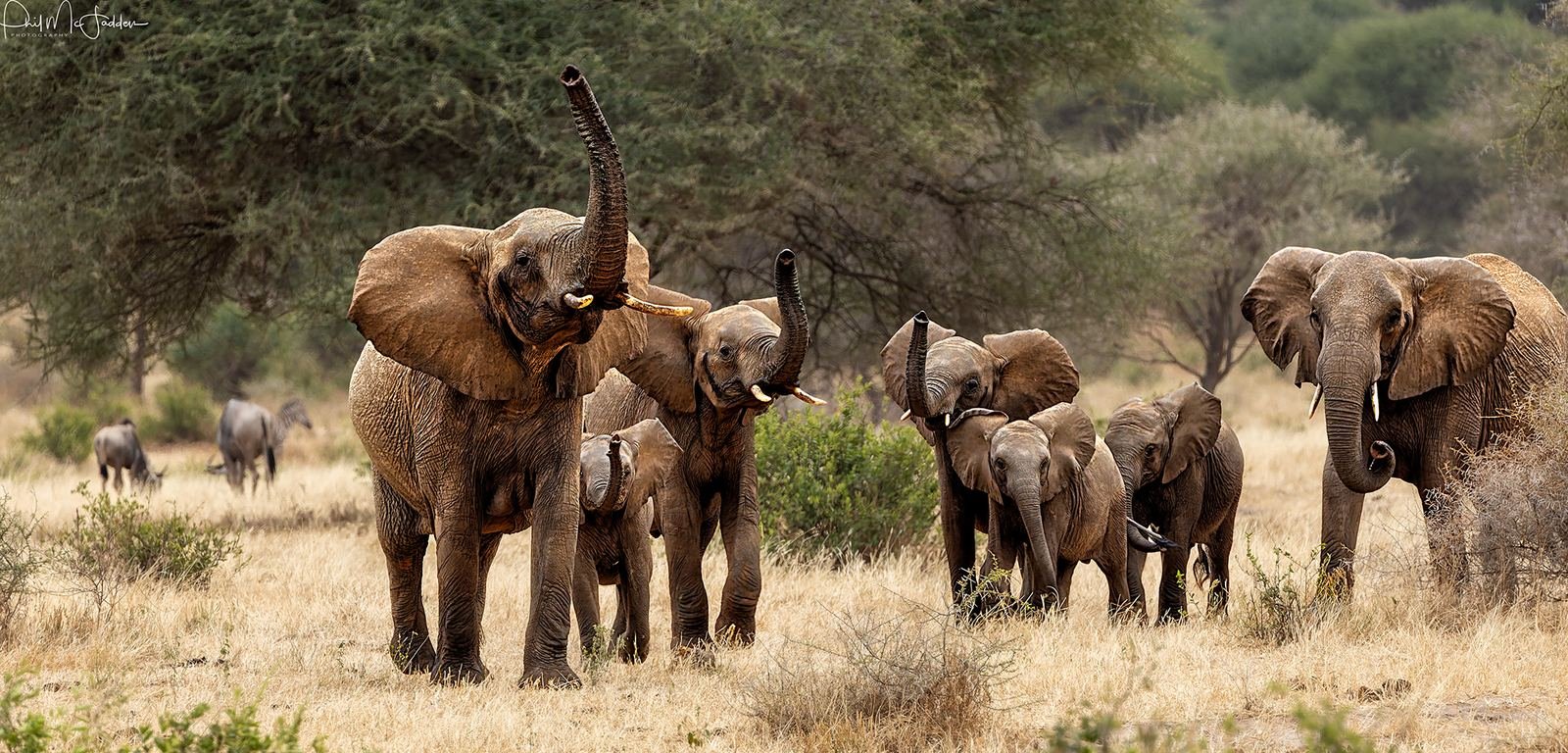
Almost every itinerary we build — including the expeditions on our main page — opens with one of these parks, and not by accident. They are the closest genuine wilderness to Arusha, so the first day carries the least driving of the whole trip while everyone is still shaking off the flight. Tarangire delivers elephants in numbers beneath its baobabs; Manyara compresses forest, lake shore and escarpment into one compact drive.
They also set the rhythm of the trip gently, before the longer hauls to the crater highlands and the Serengeti. By the time the big distances arrive, everyone knows how a game-drive day feels.
What the gates cost in 2026
Entry to either park is about USD 59 per adult for 24 hours including VAT at 2026 rates, with vehicle charges and any guiding on top. Fees are set by the park authorities and change periodically, so check current rates when you book — our safari cost guide shows how park fees fit into the price of a whole trip.
For context, the headline parks further west cost more — Serengeti entry is around USD 83 per adult at 2026 rates — which is part of why a Tarangire or Manyara day is the gentle way to start. We quote our own safaris per booking, in writing, with park fees itemised, so there is never a question about where the money goes.
What the rains change, and what they do not
The long rains run roughly March to May and the short rains November to December, and neither meaningfully touches the tarmac. The Manyara drive holds its two and a half to three hours all year. Tarangire's seven gravel kilometres are the exception: they slow sharply when wet, so we allow extra time and bring the right vehicle rather than crossing the park off.
Green-season driving has its own rewards — soft light, birds, empty tracks — but plan the Tarangire leg with some slack in it. For how the seasons change the parks themselves — grass, water, where the animals concentrate — see our month-by-month guide.
If you must choose one
For a single day, the trade-off is straightforward. Tarangire is closer and bigger, and in the dry season it carries one of the great elephant concentrations in East Africa. Manyara is smaller and quicker to read, with the more reliable road and a landscape that changes every twenty minutes: groundwater forest, hippo pools, the lake shore under the Rift wall.
Our guides' rule of thumb is Tarangire from June to October and Manyara in the rains, when its tarmac certainty counts. On a longer itinerary the question dissolves — many of our trips take one on the way out and the other on the way back.
Coming straight from the airport
If you land at Kilimanjaro International, add the numbers honestly. JRO to Arusha is about 50 kilometres and one to one and a half hours, with roadworks on the corridor until around 2027 making lane closures normal rather than bad luck. Visa-on-arrival and baggage queues commonly add 45 to 90 minutes after landing.
Driving from a morning landing straight to a park gate is possible, but we rarely recommend it. A first night in or near Arusha makes the next day's 06:00 start easy instead of brutal. Domestic arrivals have it simpler: Arusha Airport is only 20 to 30 minutes from town.
Getting the drive itself right
What makes these journeys pleasant is not speed — the law has settled that — but the vehicle and the person driving it. A pop-top 4x4 with a window seat for everyone turns the road into the first chapter of the safari rather than a chore, and a good driver-guide starts spotting long before the gate.
We run these routes every week. If you only need the road leg, our transfers page covers airport and park-gate runs; if you want the whole safari, tell us your dates and we will build the first day around one of these two gates.
Frequently asked questions
How long is the drive from Arusha to Tarangire National Park?
Plan on two to two and a half hours from Arusha to the main Tarangire gate at legal speeds. The route is tarmac along the Dodoma road, then roughly seven kilometres of gravel from the turn-off to the gate. In the dry season the gravel adds little; in the rains it slows sharply, so allow extra time and travel in a proper 4x4.
How long is the drive from Arusha to Lake Manyara?
About 120 kilometres and two and a half to three hours door to door. The road is tarmac the whole way to the gate, which sits at the edge of Mto wa Mbu town, so the timing holds year-round in any weather. Mapping apps show under two hours, but Tanzania's governed 80 km/h limit and 50 km/h village zones make that figure legally unachievable.
Can you visit Tarangire or Lake Manyara as a day trip from Arusha?
Yes — these are the only two northern-circuit parks where a day trip from Arusha genuinely works. Parks allow driving from 06:00 to 18:00; leave Arusha at 06:00 and you have six or more hours inside Tarangire before returning by early evening, slightly less at Manyara. A night near the park is more relaxed, but the day-trip arithmetic is honest.
How much does it cost to enter Tarangire or Lake Manyara?
At 2026 rates, entry to either park is about USD 59 per adult for 24 hours including VAT, with vehicle charges and any guiding on top. Park fees change periodically, so check current rates when you book. On our own trips the fees are itemised in the written quote, so you can see exactly what goes to the park and what pays for the safari.
Do you need a 4x4 to visit Lake Manyara or Tarangire?
The Manyara gate is reachable on tarmac year-round, so almost any vehicle can get you there. Tarangire's final seven kilometres are gravel — fine in the dry season, muddy in the rains, when a 4x4 becomes the sensible choice. Inside either park the game tracks are dirt, and a pop-top safari 4x4 is what we use in every season for clearance and viewing.
Which is better for a first safari day, Tarangire or Lake Manyara?
Both earn the slot. Tarangire is slightly closer, and in the dry months it holds huge elephant herds among its baobabs; Manyara offers a compact circuit of forest, hippo pools and lake shore beneath the Rift Valley escarpment, on the most reliable road in the region. Our rule of thumb is Tarangire from June to October and Manyara in the rains — longer itineraries usually see both.
The first gate is two hours away
Tell us your dates and how many of you are travelling, and we will put a written itinerary and quote together — usually within 24 hours. Every trip we run is private, and most of them begin exactly where this article does: on the early road out of Arusha.
Book a transfer