Tarangire National Park: an honest guide to elephant country
Ask a first-time visitor to name Tanzania's parks and Tarangire comes fourth, if it comes at all. The Serengeti has the fame, Ngorongoro has the drama, Lake Manyara has the roadside convenience — and Tarangire, barely two hours from Arusha, quietly holds the densest elephant population in northern Tanzania and a skyline of ancient baobabs no other park on the circuit can match.
We send almost every northern itinerary through it, usually as the opening day, and guests tell us afterwards, again and again, that it was the surprise of the trip. This guide covers what the park actually is, what the gate costs, whether to day-trip or stay — and, because honesty matters more to us than a booking, the months when we would tell you not to come at all.
What Tarangire actually is
Tarangire is a 2,850-square-kilometre park draped along the river that gives it its name, south-west of Arusha on the road toward Dodoma. Its northern third — the part day-trippers see — is classic acacia parkland studded with baobabs. Push south and the country opens into ridgelines, black-cotton grassland and a chain of big swamps that most visitors never reach.
The whole park works as a dry-season magnet. The Maasai steppe to the east and the lake country to the west dry out from June, and the animals fold back in toward the one reliable water source. That single mechanism — water in, water out — drives everything else in this guide.
The river that runs the show
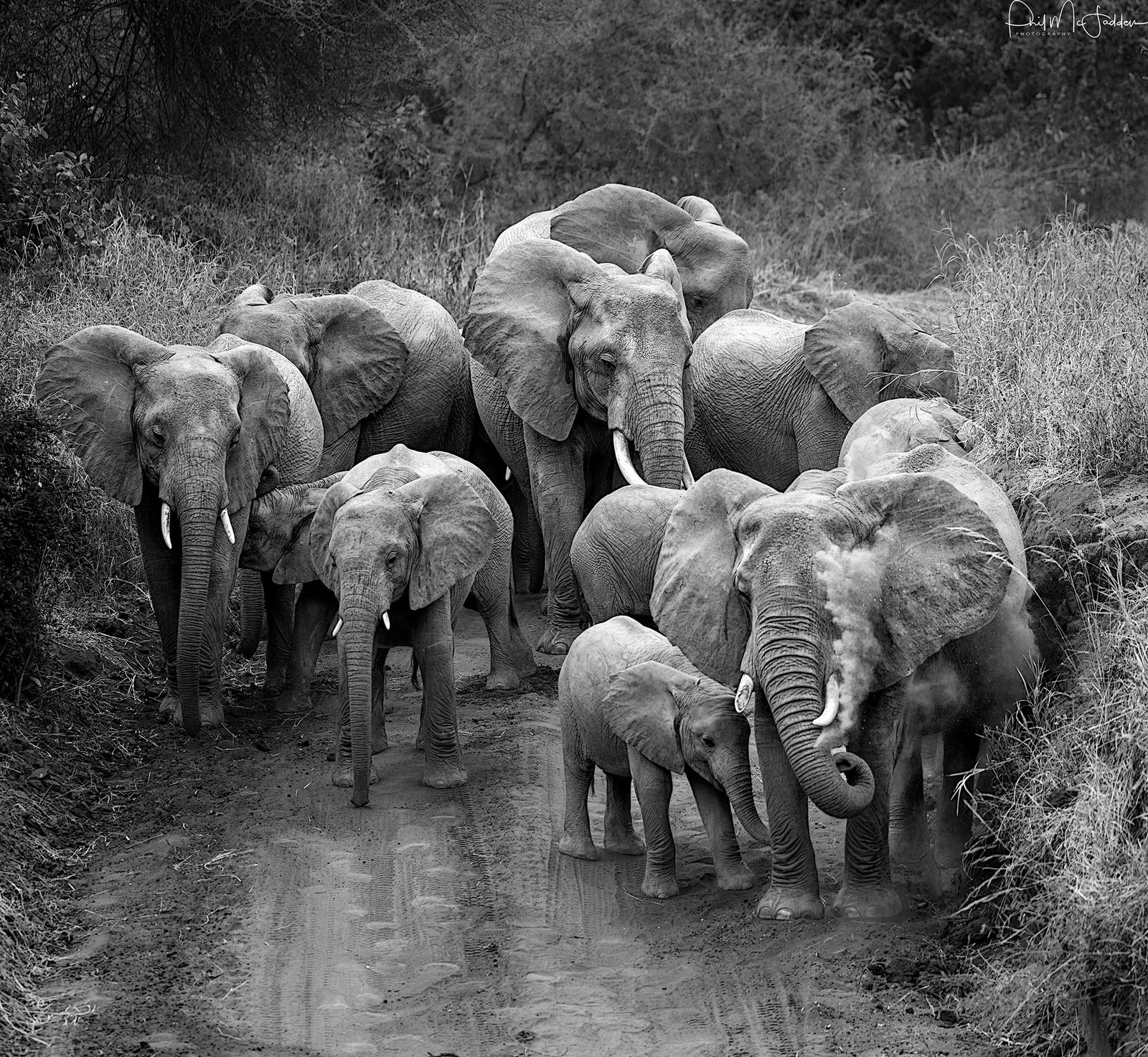
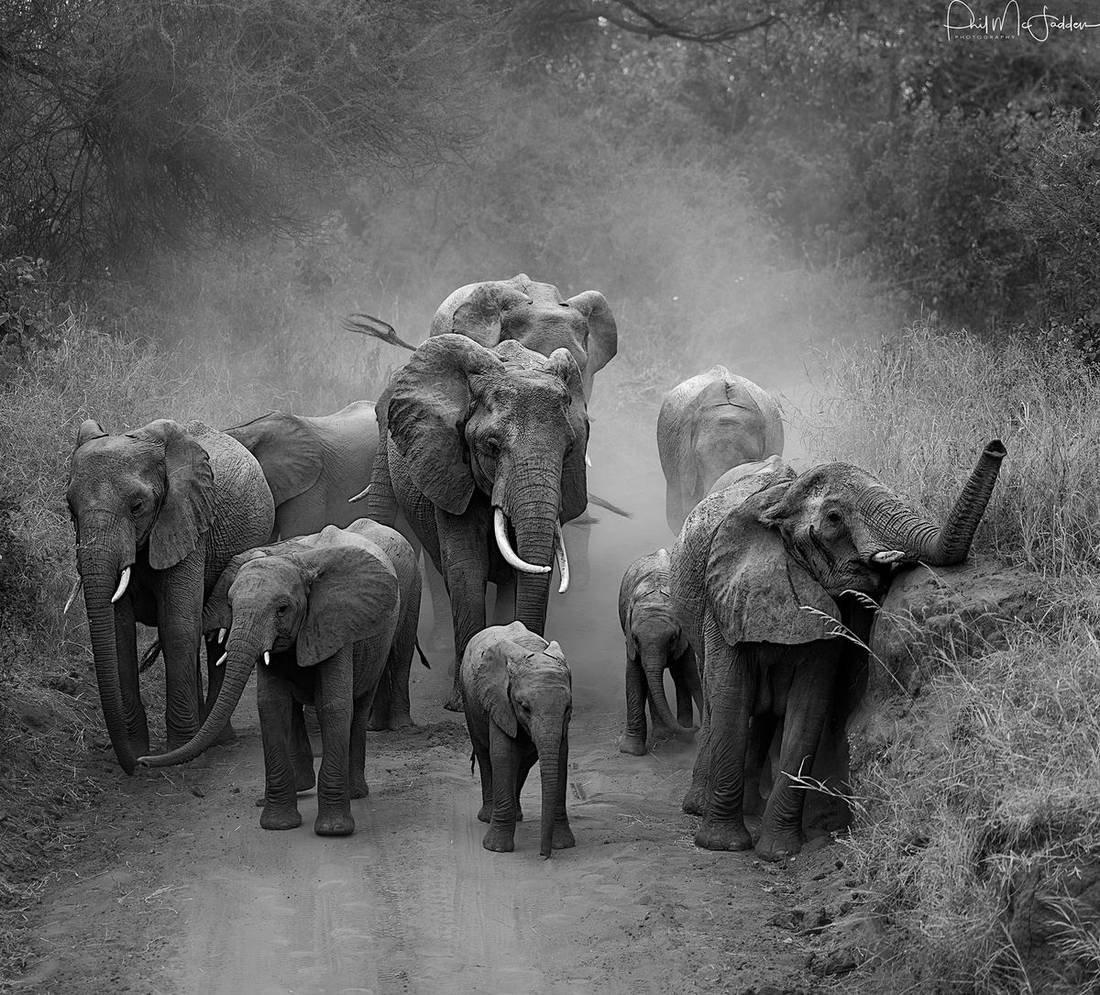
The Tarangire River never quite stops flowing, and between June and October it is the only serious drinking water for a long way in any direction. Zebra and wildebeest file in from the steppe, buffalo pack the margins, and the elephant traffic turns almost processional — herds of one hundred to three hundred are recorded along the river in the dry months, and on the best afternoons we have sat at a single bend and simply lost count.
Our guides' rule of thumb: park near water between mid-morning and four o'clock, switch off the engine and let the river do the work. Chasing sightings is the amateur's mistake in Tarangire. This is a park built for waiting.
Elephants and baobabs, the signature
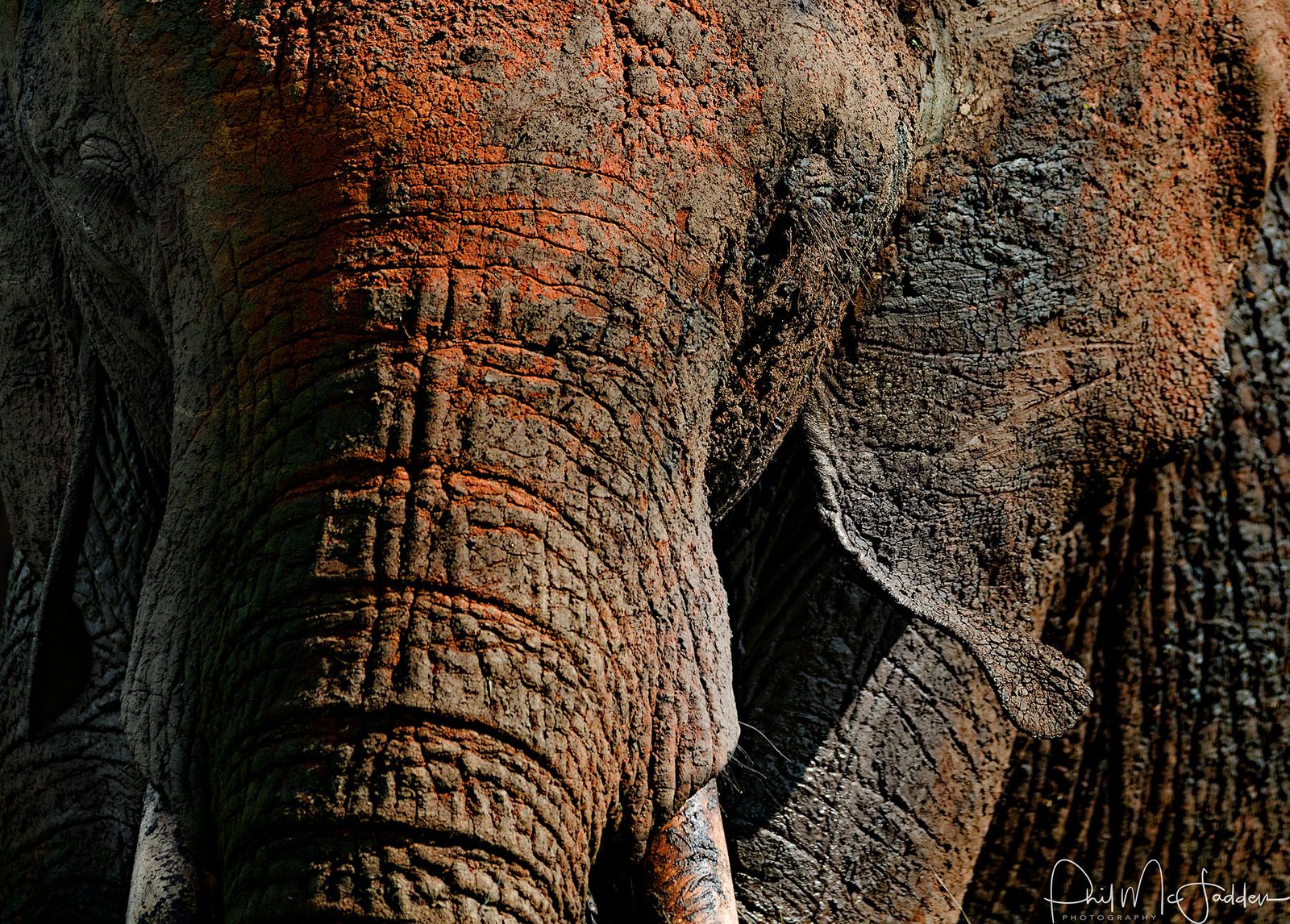
No other Tanzanian park pairs its animals with its trees this well. The baobabs are centuries old, wide as a room, and the elephants use them — stripping bark for moisture late in the dry season and leaving scars you learn to read from the vehicle. A big herd moving through baobab country in the last hour of light is, for our money, one of the two or three finest sights on the whole northern circuit.
The elephants themselves are unusually relaxed. Tarangire's families have been studied continuously for decades and are used to vehicles, so calves play close and matriarchs work around you rather than away from you. It is the best park in the north for watching elephant behaviour rather than merely recording elephant presence.
Why it stays underrated
The Serengeti is the reason. Most northern itineraries are built backwards from Serengeti nights, and Tarangire gets whatever time is left — usually one hurried game drive squeezed between an airport and a lodge. The park's reputation suffers accordingly, because people judge it on four rushed hours of its busiest corner.
Judged on its own terms — dry season, a full day or two, including the south — it out-delivers its reputation by a wider margin than any park we drive. There are lions and leopards in fair numbers, big buffalo herds, and elephant viewing the Serengeti honestly cannot match.
Getting there is the easy part
From Arusha the gate is two to two and a half hours at legal speeds — tarmac the whole way except the final seven kilometres of gravel access road. Compare that with eight to ten hours by road to the central Serengeti and you see why Tarangire earns its place as the opening chapter of a circuit: it is the serious game park you can reach before lunch. If you are landing at Kilimanjaro, our airport transfer service handles the arrival legs so the safari clock starts at the gate rather than in Arusha traffic.
Two timing notes from the driving seat. Arusha's traffic peaks from 07:00 to 09:00 and again from late afternoon, and can add an hour to the run, so we load vehicles at first light on Tarangire days. The rains barely touch this route — the tarmac holds in any month, and only the short gravel stretch slows meaningfully after a heavy storm.
Day trip or a night or two
A day trip from Arusha works, and we run them. Game-driving hours are 06:00 to 18:00, the limit inside the park is 50 km/h, and an early start buys six or seven unhurried hours with the herds. You will see the river, the elephants and the baobabs. What you will miss is the first and last hour of light — which in Tarangire is the whole show.
One night changes the arithmetic completely: you drive the golden hours at both ends of the day and reach the quieter middle of the park. Two nights gets you to the southern swamps and back. Our honest ranking is two nights if elephants are the priority, one night for most circuits, and a day trip only when the itinerary truly cannot bend.
The southern swamps, where the vehicles are not
South of the day-trip zone the park narrows around a chain of swamps — Silale is the best known — that stay green deep into the dry season. Buffalo and elephant feed on the margins, lions work the edges, and the birding is the finest in the park. Pythons are seen draped in the trees near the swamps often enough that our guides check the branches on the way past, though we promise nothing.
The practical point: the swamps are a two-night commitment. They sit far enough south that a day-tripper cannot reach them and still make the gate by six.
The birds, briefly
More than 550 species have been recorded in Tarangire — a remarkable count for a park this size. Two of Tanzania's most wanted near-endemics are easiest to find here: the yellow-collared lovebird, which flocks noisily around the baobabs, and the ashy starling, which is hard to see almost anywhere else. From November to April the Eurasian migrants arrive on top of the residents, which is the one genuine argument for a green-season visit.
What the gate actually costs
Entry runs about $59 per adult per 24 hours including VAT — noticeably cheaper than the Serengeti's fee of just over $80 — with vehicle and camping fees stacking on top. Fees change, so treat that as a 2026 reference number and check current rates when you book. In the dry season we think it is the best-value gate in northern Tanzania; for how park fees add up across a whole itinerary, our safari cost guide does the full arithmetic.
When not to bother — the honest part
When the rains come, the mechanism that fills the park runs in reverse. From the short rains of November and December, and decisively through the long rains of March to May, water stands everywhere on the steppe and the herds disperse out of the park to use it. The elephants do not vanish — resident families remain — but the processional, hundreds-at-the-river Tarangire simply is not there.
So: if the great dry-season gathering is your reason for coming, do not build a trip around Tarangire between March and May, and treat November to February as a birding-and-scenery visit rather than a big-game one. Our month-by-month timing guide covers how the same seasons play out across the rest of the circuit.
How it fits a northern circuit
Almost every good road itinerary uses Tarangire the same way: first park in, one or two nights, then north-west toward the crater highlands and the Serengeti. It makes a close, generous opening act — guests find their camera settings, learn their guide's rhythm and are watching their first elephants within an hour of the gate. Several of our expeditions open exactly this way, and it is not a coincidence.
A last word from the driving seat
Every season we watch the same scene repeat. Guests arrive from the airport slightly deflated that day one is 'only' Tarangire, and two days later the same guests are asking whether the itinerary could have spared it another night. The park has spent decades as the northern circuit's warm-up act, and it has learned to steal the scene. Give it the dry season, give it a night or two, and let the river do the rest.
Frequently asked questions
Is Tarangire National Park worth visiting?
In the dry season, yes — for elephants it is arguably the best park in Tanzania, and it sits two hours from Arusha rather than a full day's drive away. Judge it on a full day or an overnight rather than a rushed half-day, and time it between June and October when the river concentrates the game. In the long rains it is a much weaker choice.
How much does it cost to enter Tarangire National Park?
For 2026, entry is about $59 per adult per 24 hours including VAT, with vehicle and camping fees on top — noticeably cheaper than the Serengeti's fee of just over $80. Rates are set by the park authorities and change periodically, so check current figures when you book; on an organised safari the fees are normally built into your quote.
How far is Tarangire from Arusha?
Two to two and a half hours door to gate at legal speeds — tarmac the whole way apart from the final seven kilometres of gravel. That makes it closer than Lake Manyara or the Ngorongoro highlands, and the only major northern park where a full-day trip from Arusha is comfortable rather than heroic.
What is Tarangire National Park famous for?
Elephants and baobabs. The park holds northern Tanzania's densest elephant population, with dry-season herds of one hundred to three hundred recorded along the Tarangire River, set against ancient baobab trees found in these numbers nowhere else on the circuit. Birders rate it just as highly: more than 550 recorded species, including two Tanzanian near-endemics.
Is one day enough for Tarangire?
One full day covers the river, the elephants and the baobab country of the park's northern third, and it is a genuinely good day. What it cannot give you is dawn or dusk inside the park, or the quiet southern swamps. If elephants are the reason you are coming, stay a night or two — the difference is bigger than the cost.
When is the best time to visit Tarangire National Park?
June to October, without much contest — the surrounding steppe dries out and the game concentrates along the river, peaking from July onward. November to February is pleasant for birds and scenery with fewer vehicles, but the big herds thin out. In the long rains of March to May the wildlife disperses widely and we would point you elsewhere.
Start where the elephants are
Our Classic Northern Circuit opens with a night in Tarangire, timed for the golden hours the day-trippers miss. Tell us your dates and we will quote it properly, in writing.
Plan your safari