Is Lake Manyara National Park worth it? An honest guide
Lake Manyara is the park we field the most hesitant questions about. Travellers have read that it is small, that the famous tree-climbing lions rarely show themselves, and that most itineraries give it only half a day. All three things are true, and we still think the park earns its place on most northern routes.
This guide is our honest answer to whether Lake Manyara is worth it. We cover what the park does better than anywhere else in northern Tanzania, what it cannot promise, what the gate costs, and how to decide whether to go in or drive past. If you are still weighing the big parks against each other, our comparison of the Serengeti and Ngorongoro handles that decision separately.
The short answer
Lake Manyara is worth it as a half-day stop on the way to Ngorongoro or the Serengeti, and it is excellent value used that way. The gate sits just off the main tarmac road west of Arusha, so visiting adds almost no extra driving to a longer circuit.
What it is not is a park to build a trip around. It is small, one main track runs its length, and by early afternoon you will have covered most of it. Travellers who arrive expecting a compact Serengeti tend to leave flat; travellers who treat it as a green, forested overture to the bigger parks tend to love it.
What the park actually is
Manyara is a narrow strip of land squeezed between the wall of the Great Rift Valley and a shallow, alkaline lake. Much of the park's official area is the lake itself, and how much of that lake holds water changes from year to year.
The result is an unusually varied few hours. You enter through dense groundwater forest fed by springs at the base of the escarpment, break out into acacia woodland, then reach open floodplain along the shore, all inside a single game drive. Nowhere else on the northern circuit packs that much habitat change into so little distance.
About those tree-climbing lions
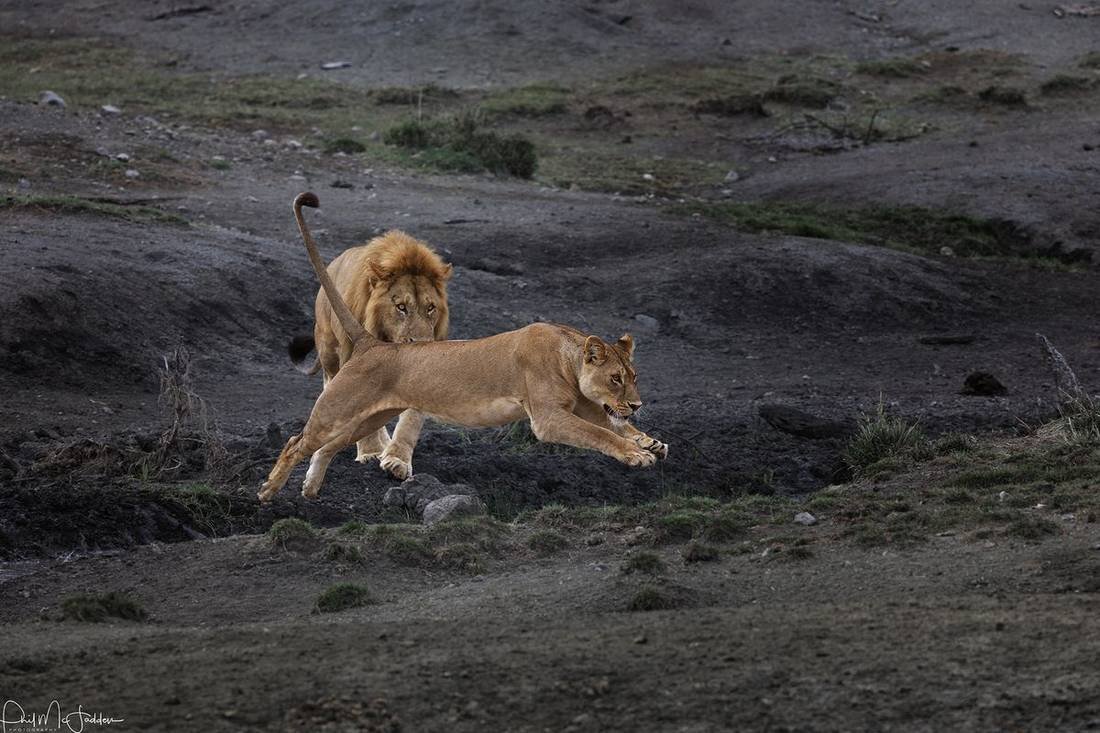
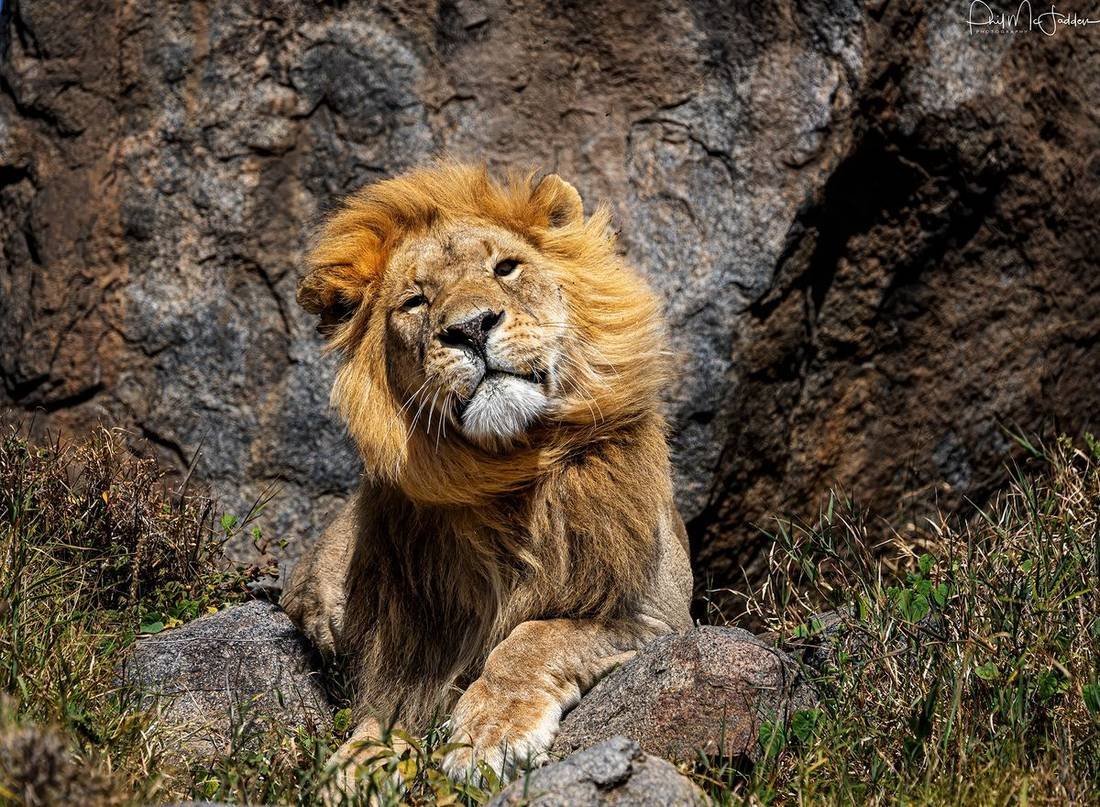
The honest part first. Manyara's lions do climb trees, the behaviour is real, and sightings are genuinely hard to come by. The lion population is small, the vegetation is thick, and a cat draped along a branch is easy to drive straight past.
Our guides find them some weeks and then not again for a month. If a lion in an acacia is the photograph you are chasing, do not book Manyara for it; treat any sighting as a bonus. We would rather say that now than have you scanning every tree for four hours in quiet frustration.
The groundwater forest, the real star
The forest at the northern end is the park's true signature and there is nothing like it elsewhere on the circuit. Springs seeping from the Rift wall keep it green all year, so you drive beneath tall mahogany and fig trees through air that feels noticeably cooler than the plains outside.
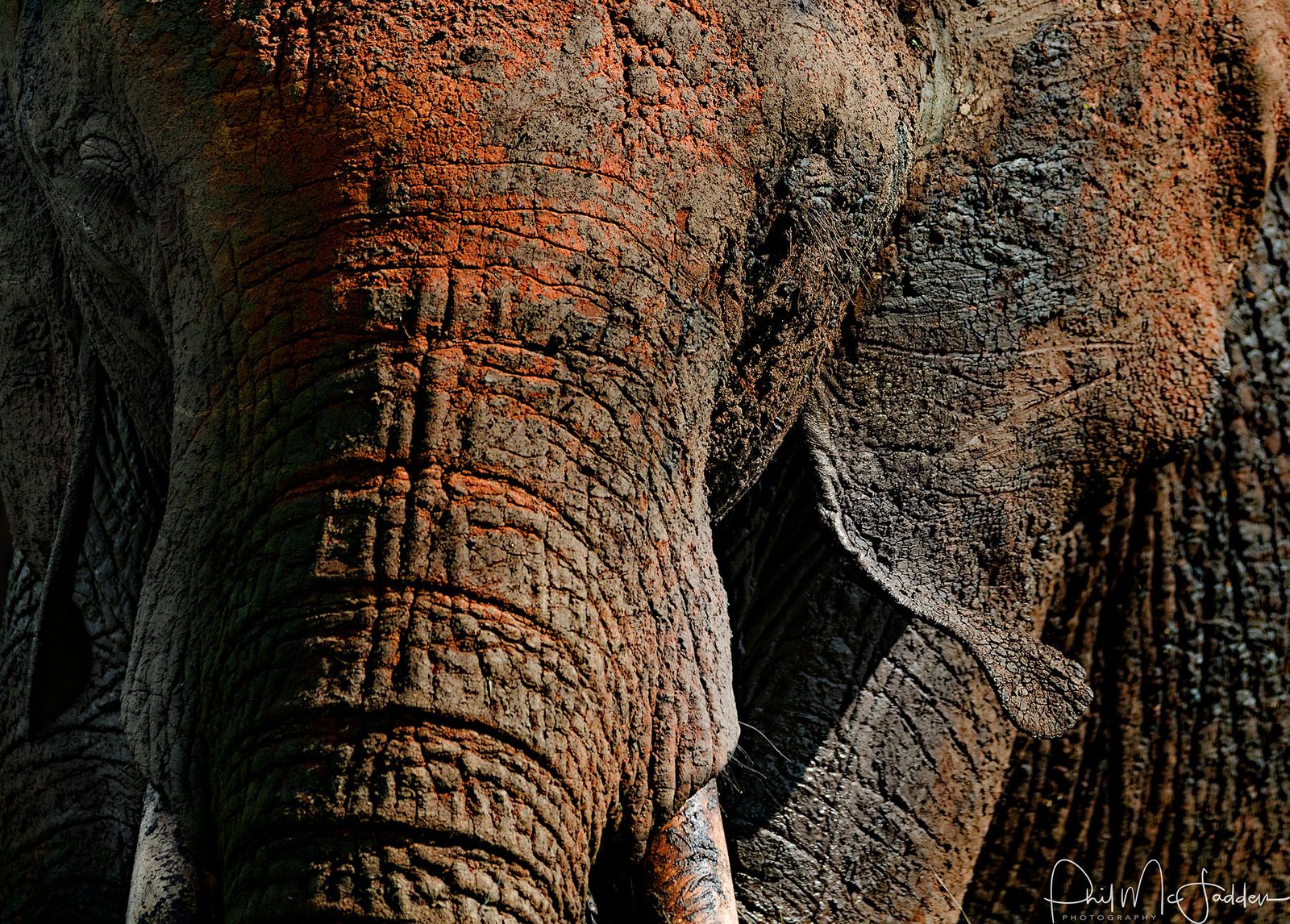
It is the best place in northern Tanzania to watch blue monkeys, and the baboon troops are huge and completely unbothered by vehicles. Elephants feed in the shade at close range, often calmer here than anywhere else you will see them. After the dust of the open parks, the first twenty minutes inside Manyara feel like a different country.
Hippos, flamingos and the lakeshore
Beyond the forest the track reaches the floodplain, where the hippo pools are a dependable stop and the light over the lake is some of the best on the circuit. Buffalo, wildebeest and zebra graze the flats, with the escarpment rising as a backdrop the whole time.
Flamingos are the complicated part. They follow the algae in the alkaline shallows, and their numbers swing with the lake level: some seasons the shoreline is pink, in others the birds shift to other Rift Valley lakes entirely. Nobody can promise them, and you should be wary of anyone who does.
The birding case
Even if you cannot tell a hornbill from a heron, the birdlife here is hard to ignore. The mix of forest, woodland, swamp and open water crowds an unusual variety of species into a small area, from pelicans and storks on the shore to kingfishers, hornbills and raptors in the trees.
For committed birders, Manyara is arguably the strongest single stop on the northern circuit and worth a full day rather than half. For everyone else it is the pleasant background hum of the drive; there is always something moving.
Getting there from Arusha
The gate at Mto wa Mbu is about 120 km west of Arusha, tarmac the whole way, and takes 2.5 to 3 hours door to door. Passenger vehicles in Tanzania are speed-governed at 80 km/h and every village drops the limit to 50, so the cheerful estimate a mapping app gives you is fantasy here.
Karatu and Ngorongoro's Lodoare gate sit roughly another hour up the escarpment, which is exactly why Manyara slots so naturally into the standard route. You can leave Arusha after breakfast, spend the afternoon in the park, and sleep in Karatu that night, positioned for the crater in the morning.
What the gate actually costs
Entry runs around USD 59 per adult including VAT at 2026 rates, about the same as Tarangire and well under the roughly USD 83 the Serengeti charges. Vehicle charges and your operator's day rate come on top, and fees change, so check current rates when you book.
Remember that the gate fee is only one slice of what a safari day costs; our Tanzania safari cost guide breaks down where the rest of the money goes. For our own trips we quote per booking, in writing, rather than publishing headline prices.
Half day or full day
Our guides' rule of thumb: half a day for most travellers, a full day for birders and photographers. A half day covers the forest, the hippo pools and a stretch of lakeshore without feeling rushed.
A full day makes sense if you want the light at both ends of it, since the forest is at its best early and the lakeshore late. What we do not recommend is two full days; the park does not have the ground for it. For how Manyara fits into a whole itinerary, see our guide to how many days a Tanzania safari needs.
When Manyara shines
The park is at its best in the dry months, when the groundwater forest stays green while the country around it browns off and animals hold close to permanent water. It also copes with the rains better than most parks, because the main track is all-weather and the forest is beautiful in the wet, though some lakeshore loops close when it is properly soaked.
The long rains run roughly March to May and the short rains November to December. Month-by-month detail is in our best time to visit Tanzania guide; the short version is that there is no month we would refuse to take you.
When to skip it
Skip Manyara if your trip is short and cat-focused. On a four or five day itinerary already straining to fit the Serengeti and the crater, the half day is usually better spent where the predators are.
Skip it too if you are indifferent to forests and birds and have Tarangire on the route already; on a tight budget, one 59-dollar gate in that corridor is enough. And if you are coming purely for tree-climbing lions or guaranteed flamingos, reread the sections above. The park cannot promise either, and we will not pretend otherwise.
How we run Manyara
Our standard routing treats Manyara as day one of a northern circuit: out of Arusha in the morning, the afternoon in the park, then overnight around Karatu with an easy run to the Ngorongoro gate the next day. It is a gentle first park, short on driving and generous with close sightings, which is exactly what most people want on their opening day.
If you would like Manyara built into an itinerary, or a straight answer on whether it belongs in yours, ask us. We are a two-director company; the people who plan your trip are the people who answer your email, and we will tell you plainly if we think your time is better spent elsewhere.
Frequently asked questions
Is Lake Manyara National Park worth visiting?
Yes, with the right expectations. It is a small park best treated as a half-day stop between Arusha and Ngorongoro rather than a destination in itself. The groundwater forest, elephants, hippo pools and birdlife are genuinely excellent, and the gate sits just off the main tarmac road, so it adds almost no extra driving. If your trip is short and focused on big cats, your time is better spent in the Serengeti.
How much is the entrance fee for Lake Manyara National Park?
At 2026 rates, entry costs about USD 59 per adult including VAT, similar to Tarangire and cheaper than the Serengeti or Ngorongoro. Vehicle charges and your operator's day rate come on top of that. Tanzanian park fees change periodically, so treat this figure as a guide and check current rates when you book.
Can you really see tree-climbing lions in Lake Manyara?
The behaviour is real, but sightings are uncommon. The lion population is small, the vegetation is thick, and a lion resting in a canopy is easy to miss from the track. Our guides find them some weeks and then not for a month afterwards. Treat a tree-climbing lion as a bonus rather than a reason to visit, and be wary of anyone who promises you one.
How long do you need in Lake Manyara National Park?
Half a day is enough for most travellers: the forest, the hippo pools and a stretch of lakeshore fit comfortably into four or five hours. Keen birders and photographers can fill a full day, since the forest is best early and the lakeshore late. We would not recommend two full days, because the park simply does not have the ground for it.
When can you see flamingos at Lake Manyara?
There is no reliable season. Flamingos follow the algae in the alkaline shallows, and their numbers depend on the lake level, which swings from year to year. Some visits find the shoreline pink; on others the birds have moved to other Rift Valley lakes entirely. If flamingos matter to you, ask about current lake conditions shortly before you travel rather than trusting photographs from a good year.
How far is Lake Manyara from Arusha?
The gate at Mto wa Mbu is roughly 120 km west of Arusha on good tarmac, which takes 2.5 to 3 hours in practice. Vehicles in Tanzania are speed-governed at 80 km/h and slow to 50 through every village, so mapping apps underestimate the journey. The Ngorongoro gate is about another hour beyond, which is why Manyara fits the standard circuit so naturally.
Deciding whether Manyara belongs in your route?
Tell us your dates, your interests and how many days you have, and we will give you a straight answer — including, when it is true, that you should drive past. We quote per booking in writing, and the directors who plan your trip are the ones who answer your email.
Plan your safari