Is a Serengeti balloon safari worth the price? An honest answer
Sooner or later, almost every guest planning a Serengeti trip asks us the same question: is the balloon safari actually worth it? It is one of the most expensive single hours you can buy in Tanzania, and the honest answer is that it depends — on your dates, on where you will be in the park, and on what the same money would otherwise buy you.
We are a two-director safari company in Arusha. We have put enough guests into a basket at dawn, and talked enough of them out of it, to have a settled view. Below is what the morning actually involves, what operators typically charge, what you genuinely see from the air, and the situations where our advice is to keep your money.
The 03:30 wake-up, hour by hour
A balloon morning starts brutally early. Flights launch at first light, around six o'clock, and pick-ups from camp begin at roughly four — earlier if your camp sits a long drive from the launch field, which can mean a knock on the tent at half past three. You ride through the dark park, watch the crew inflate the envelope with the burners roaring, and climb into the basket while it is still lying on its side.
Door to door, the excursion swallows most of the morning. By the time you have flown, landed and finished breakfast, it is usually mid-morning before you rejoin your guide. The balloon does not add to your safari day so much as replace the first half of it, and that trade matters more than most people expect. We come back to it below.
One hour in the air, and what it feels like
The flight itself lasts about an hour, give or take, depending on wind and fuel. The pilot cannot steer in any normal sense — the balloon goes where the wind goes, and height is the only real control. Low passes skim the treetops close enough to follow a hyena trotting home; a higher climb opens the whole plain, with game trails braided across it like veins in a leaf.
What surprises people most is the silence. Between burner blasts there is no engine, no radio chatter, no other vehicles — just wind, birdsong and the odd whoop from somewhere below. A game drive is a series of sightings. A balloon flight is one long look, and the memory it leaves is of the whole Serengeti at once rather than any single animal.
Champagne, eggs and a certificate
Landing is a controlled bump and drag through the grass, and the crew follows in vehicles to meet you. Then comes the ceremony: tables set out in the open, a full cooked breakfast, sparkling wine, a toast from the pilot and a flight certificate to take home. Whether that feels magical or slightly staged depends on your temperament; most guests love it, and it is included in the fare either way, along with the drive back to your own vehicle.
What operators typically charge
Published rates for the established balloon operations in the Serengeti sit at roughly $550 to $650 per person for a shared dawn flight in 2026, with some launch areas and premium departures priced toward $800. That figure normally covers the pre-dawn transfer, about an hour in the air, the bush breakfast and the handover back to your guide.
For a couple, then, budget north of $1,100 on top of the safari itself. We do not publish our own rates here — like everything we sell, we quote per booking, in writing — but the market range above is the right planning number, and our Tanzania safari cost guide puts it alongside every other line in a typical budget.
What the air shows you that a vehicle cannot
Manage your expectations in one direction: a balloon is about perspective, not close-ups. From the basket, the Serengeti stops being a sequence of sightings and becomes a system. You see rivers wind, hippo pools from directly above, the shadow of the balloon rippling over herds, and kopjes scattered like islands all the way to the horizon.
In migration season the effect is startling. Columns of wildebeest stretch farther than you can turn your head, and you finally grasp the scale of a movement that at eye level reads as scattered groups of animals. If the herds are the point of your trip, start with our Great Migration guide and time the flight to match them.
What you give up compared to a game drive
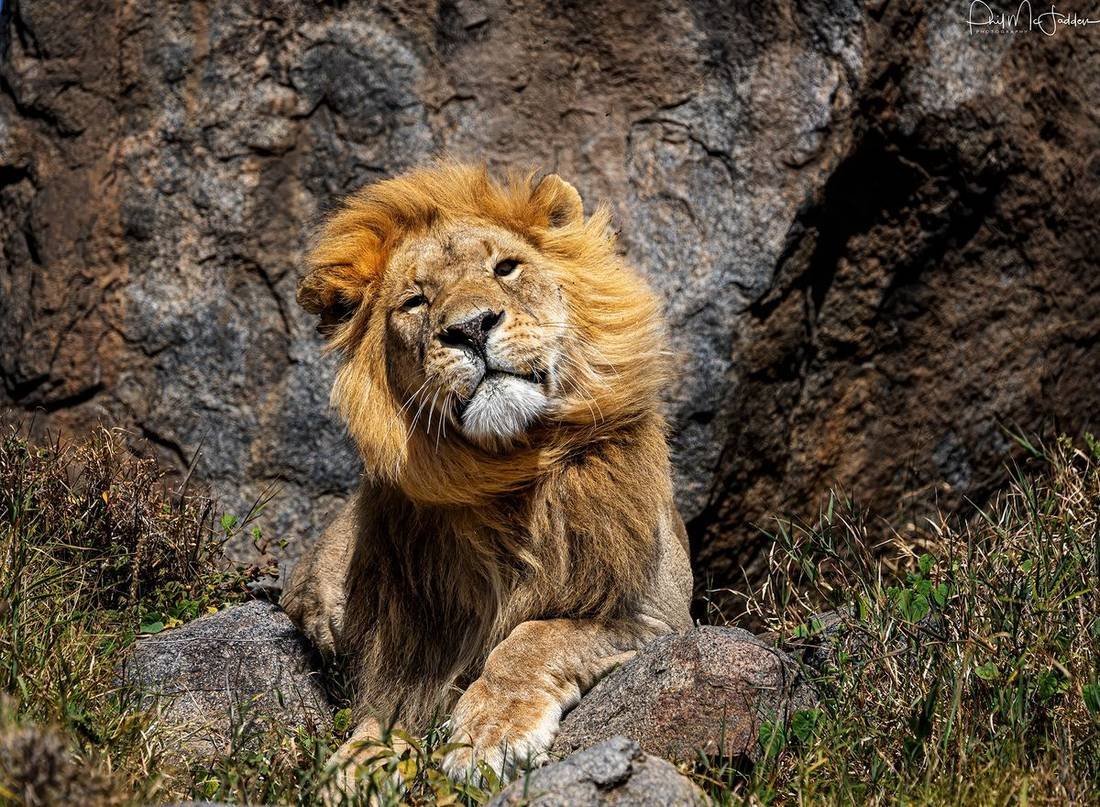
Be clear-eyed about the other side of the ledger. A balloon cannot stop, cannot approach, and cannot wait twenty minutes at a lion kill while the light improves. Close-up photography is far better from a vehicle, where your guide can position you and hold still. If your dream image is a lion filling the frame, the balloon will not deliver it.
You also give up that morning's game drive, and dawn is the best drive of the day — predators are still moving, the light is soft, and the sightings before breakfast are routinely the best of the trip. On a short itinerary, trading your finest drive for a flight is a real cost that never appears on the invoice.
Four launch areas, and why the right one matters
Balloons fly from four parts of the ecosystem: the central Serengeti near Seronera year-round, Ndutu in the far south during the calving months from late December to roughly mid-March, the Western Corridor from about June to October, and the northern Serengeti from about July to October.
The wildlife under your basket depends entirely on matching the launch area to where the animals are in that month. A flight over an empty quarter is still beautiful, but at this price you are paying for more than beauty. Our month-by-month notes on when to visit Tanzania cover where the game concentrates through the year.
When the flight earns its price
In our experience there are three clear cases. The first is migration season over the right launch area — calving on the southern plains in the early months of the year, or the river country of the north in the dry season — when the flight shows you something no vehicle ever can.
The second is the once-in-a-lifetime trip: a honeymoon, a fortieth anniversary, the safari you have saved a decade for and will not repeat. The third is simply people who love flight itself. If you fall into any of these, book it and do not look back. Nobody we have sent up in the right season, over the right ground, has regretted it.
When we tell guests to keep the money
On a tight budget the arithmetic is blunt. The money for two balloon seats is in the same territory as an extra full day on safari for two people, and an extra day buys more sightings, more chances at cats, and more of everything you actually came for. Our notes on how many days a Tanzania safari needs make the same point from the other direction.
We also steer families with young children away — the established operators set a minimum age of seven — along with nervous flyers and anyone on a tight three-or-four-day route where losing the best drive of the morning genuinely hurts. And if your dates put you over ground the herds have already left, wait for another trip. The flight will still exist next year.
Weather, cancellations and the pilot's call
Balloons fly only in calm, clear conditions, and the pilot makes the final call at the field — sometimes after you have already got up at half past three and driven an hour in the dark. It happens, and it is the right call every time. You do not want to be aloft in weather a pilot dislikes.
Under the standard terms of the established operators, a weather cancellation gets you a seat on the next available flight or a full refund of the balloon fare. Cancellations are more likely in the rainy months from March to May. Schedule the flight early in your Serengeti stay, so a scrubbed morning has a fallback later in the itinerary.
Book weeks ahead, through your itinerary
Baskets are shared and dawn departures are finite, so flights sell out weeks ahead in high season, sometimes months. Book before you travel rather than gambling on a spare seat turning up at the lodge.
Booking through your safari operator, rather than separately, also means the logistics mesh: your guide knows the pickup point, breakfast plans shift accordingly, and if the flight scrubs, the morning simply reverts to a normal dawn drive with nothing wasted. When we build one into an itinerary, the whole day is planned around it.
The rule of thumb we give our own guests
If you would have to shorten the safari to afford the balloon, skip the balloon. Days on the ground beat an hour in the air, every time, for wildlife.
If the budget absorbs it without trimming anything, and your dates put the migration — or simply the full green sweep of the plains — under a launch site, fly. One of our directors still calls his own flight the best hour he has spent in the park, and he is a man who spends a great many hours in the park. That is about as honest as we can make it.
Frequently asked questions
How much does a Serengeti balloon safari cost?
Operators typically charge about $550 to $650 per person for a shared dawn flight in 2026, with some launch areas and premium departures priced toward $800. The fare normally includes the pre-dawn transfer from camp, roughly an hour in the air, the champagne bush breakfast and the return to your guide. Like everything on our itineraries, we quote it per booking in writing.
How long does the balloon flight last?
The flight itself runs about an hour, depending on wind and fuel. The full excursion is much longer: pick-up in the dark, the drive to the launch field, inflation and briefing, the flight, landing, and a cooked breakfast in the bush. Expect to rejoin your guide mid-morning, which means the balloon replaces that day's dawn game drive rather than adding to it.
What time do you have to wake up for a balloon safari?
Early. Flights launch at first light, around six o'clock, and camp pick-ups begin at roughly four in the morning — earlier when your camp is a long drive from the launch field, which can mean a wake-up call around half past three. You drive to the site in the dark and watch the balloon inflate as the sky lightens.
Can children go on a Serengeti balloon safari?
The established operators set a minimum age of seven, and young children generally do better on the ground anyway, where a drive can flex around their attention span. If you are travelling as a family, we would put the balloon money toward an extra day everyone can share and save the flight for a later trip.
What happens if bad weather cancels the flight?
The pilot makes the final call at the launch field, and balloons simply do not fly in wind or rain. Under the standard terms of the main operators you are rebooked on the next available flight or refunded the balloon fare in full. Cancellations are more likely from March to May, so schedule the flight early in your Serengeti stay to leave a fallback morning.
Is a balloon safari better during the Great Migration?
Usually, yes — provided the launch area matches where the herds are. Balloons fly from the southern plains during the calving months around January to March, and from the Western Corridor and northern Serengeti in the dry season. Over the migration, the aerial view reveals a scale you cannot grasp from a vehicle. Over empty ground, you are paying migration prices for scenery.
Deciding whether to add the flight?
Tell us your dates and where you will be in the park, and we will say plainly whether a balloon morning earns its place on your route. If it does, we build the whole day around it and quote everything in writing — one conversation, no pressure either way.
Plan your safari