Serengeti National Park guide: what first-timers should know
Most people picture the Serengeti as one place. On the ground it behaves like four, spread across roughly 14,750 square kilometres — about the size of Northern Ireland — and which part you base yourself in matters more than almost any other decision in a Tanzania itinerary.
We run a two-director safari company in Arusha, and no park generates more questions from first-timers than this one. Most of those questions have honest, slightly unglamorous answers involving distances, fees and a 06:00 gate time.
So this guide covers the things that actually shape a first visit: the regions and how to choose between them, how the migration really works, what lives there all year, the true maths of getting in and out, and the park rules that quietly decide what your days look like.
How big it really is
The park proper covers about 14,750 square kilometres, and the wider ecosystem the animals actually use is roughly double that, spilling north into Kenya. Driving from the southern plains to the Mara river in the far north is a full day’s work on park roads, not an afternoon detour.
That is why nobody “does the Serengeti”. You pick one or two regions that match your month and your patience for driving, and you let the rest go. The four that matter to a first-timer are Seronera in the centre, the western corridor, the north around the Mara river, and the southern plains around Ndutu.
Seronera, the centre of everything
Seronera is the hub: the main airstrip, the visitor centre, most of the lodges, and river valleys that hold game in every month of the year. If you have two or three nights and are not chasing a specific migration moment, this is the default answer, and it is a good one.
The trade-off is company. Central Serengeti carries more vehicles than anywhere else in the park, and a leopard sighting near the Seronera river can draw a small queue by mid-morning. Our guides’ habit is to drive early and far, then hand the busy loops back to everyone else.
The western corridor and the Grumeti
The corridor runs west towards Lake Victoria along the Grumeti river, and the landscape changes with it — more woodland, blacker soil, fewer people. The herds typically move through from roughly May to July, and outside those months this is one of the quietest corners of the park.
It suits second visits and travellers who value empty roads over a checklist. The crocodiles in the Grumeti, some of them enormous, make their own case for the detour.
The north and the Mara river
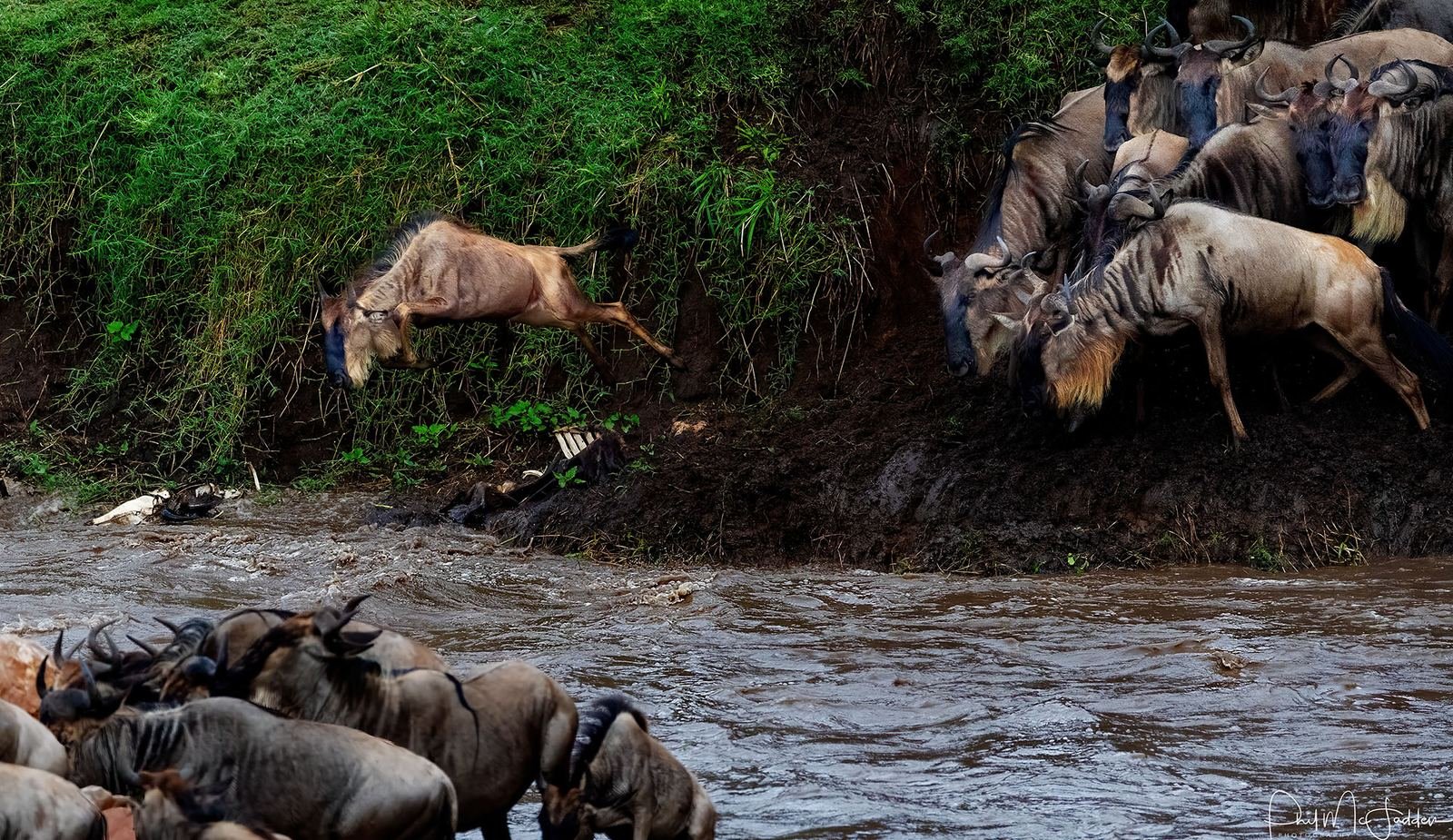
The far north is where the famous river crossings happen, typically between July and October. It is also genuinely far — several hours beyond Seronera — which is why most people who come for crossings fly to one of the northern airstrips rather than drive the whole way up.
Be honest with yourself about crossings. They are unscheduled: a herd can stare at the water for two days and then cross in eight minutes while you are at lunch. We position guests near the river and manage expectations, because nobody can promise the moment itself.
Ndutu and the southern plains
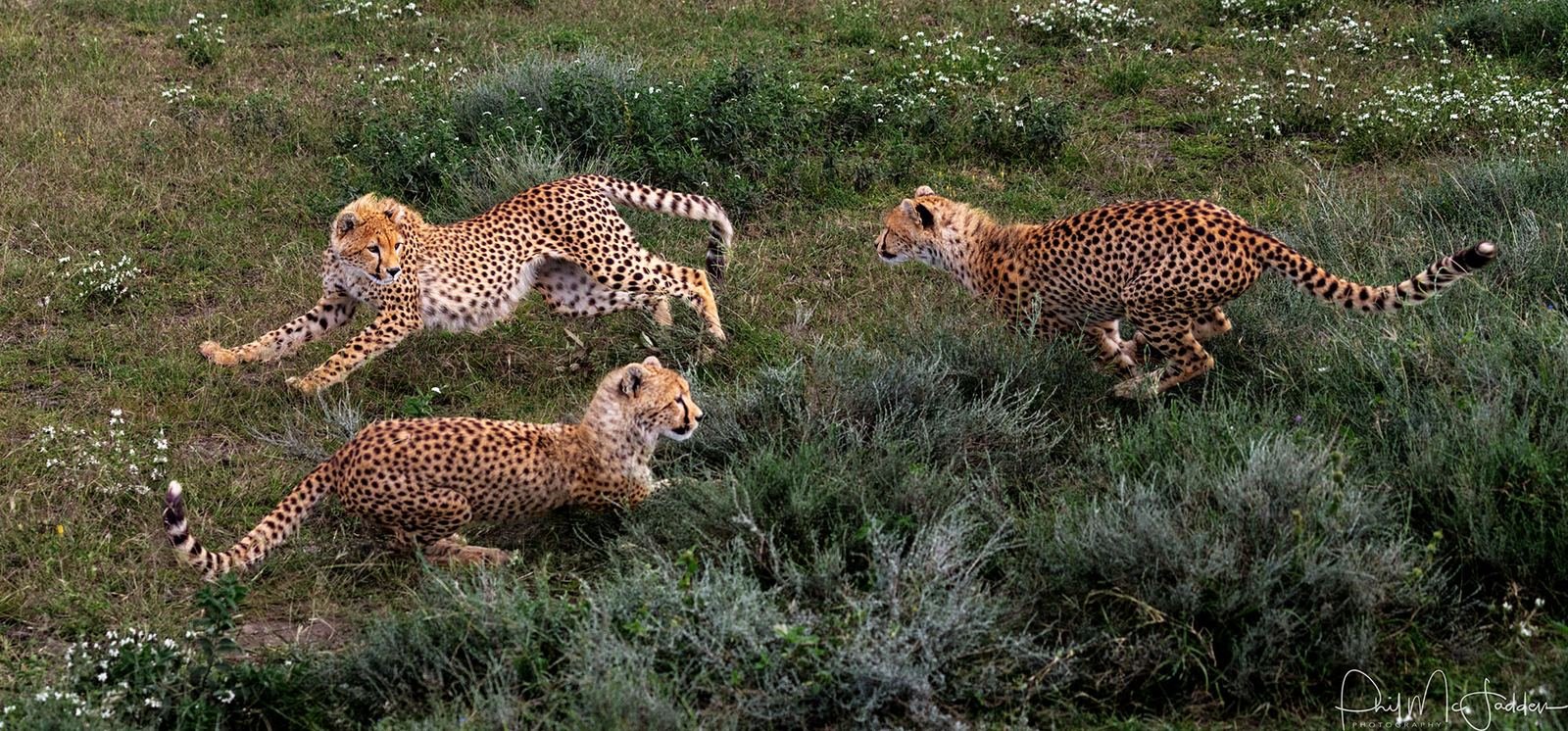
From roughly December to March the wildebeest gather on the short-grass plains in the south to calve, and the predators arrive with them. This is the season of cheetah hunts in open country and very new, very unsteady calves.
Ndutu, the base for most of it, technically sits just across the park boundary in the Ngorongoro Conservation Area — a paperwork detail that changes which fees you pay and which rules apply. A good operator sorts it out before you ever notice.
The migration is a loop, not an event
The biggest misconception we correct is that the migration “happens” at a certain time and can be missed. It is a year-round circuit: the herds are always somewhere in the ecosystem, walking a rough clockwise loop dictated by rain and grass. What changes month to month is where they are and what they are doing — calving, trekking, or crossing rivers.
So the useful question is not “will I see the migration” but “what will the herds be doing in my month, and which region does that put them in”. Our great migration guide walks the loop month by month; read it before you fix your dates, not after.
What lives there when the herds are elsewhere
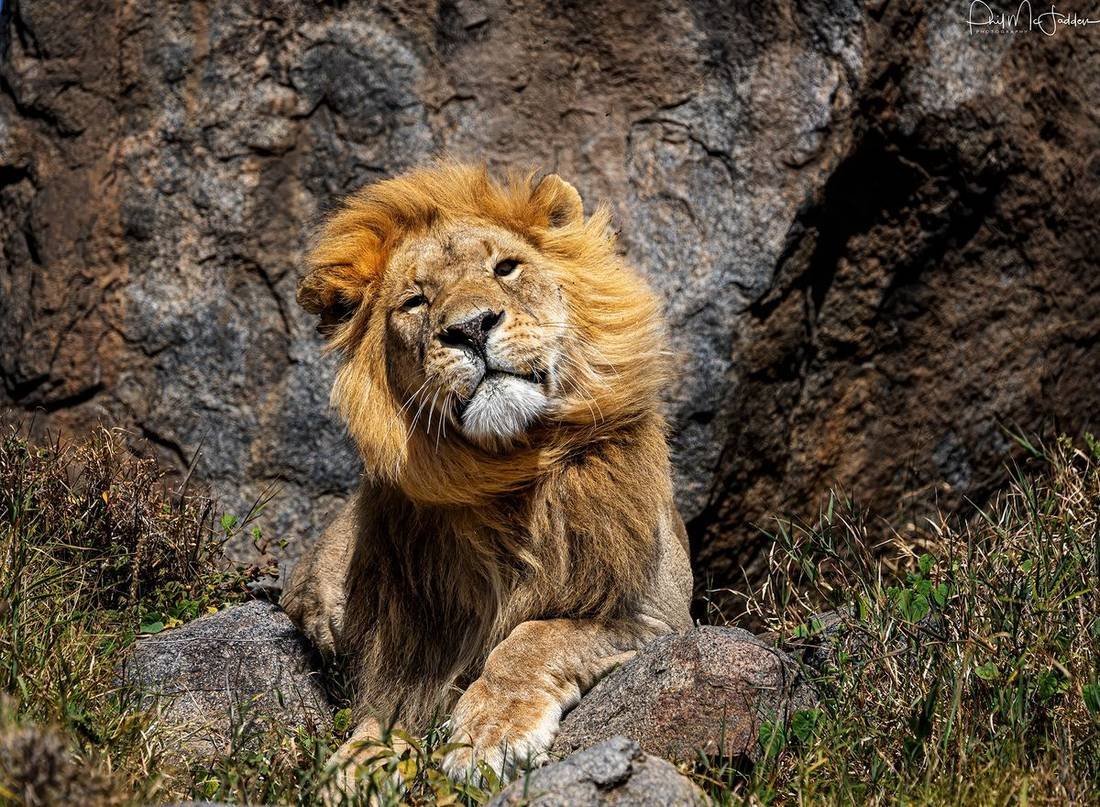
A common worry: if the migration is in another region, is the park empty? No. The Serengeti carries a heavyweight population of resident game that never migrates — lion prides holding fixed territories, leopard in the trees along the rivers, cheetah on the plains, plus elephant, giraffe, buffalo and hippo.
Central Serengeti in particular is a strong game-viewing destination in any month. If you are weighing this park against the crater for a short trip, our Serengeti or Ngorongoro comparison works through that decision properly.
The drive in, honestly
By road, Seronera is about 325 kilometres from Arusha and takes eight to ten hours door to door. Not because the roads are terrible — tarmac runs all the way to the Ngorongoro gate — but because Tanzanian law governs passenger vehicles to 80 km/h, every village drops you to 50 with speed bumps to enforce it, and the final stretch across the conservation area is gravel.
Treat it as a full travel day, not a morning. Most first-timers break the journey with a night near Karatu or on the crater rim, which turns a slog into a route with a highlight in the middle. Google Maps will tell you it is quicker. Google Maps has not met a Tanzanian speed governor.
Or fly: about an hour in the air
Scheduled light aircraft connect Arusha to airstrips across the park — central, west and north — in roughly an hour. The pattern we book most often is drive in through Tarangire or Ngorongoro and fly back, which buys you the scenery on the way up and spares you repeating it exhausted on the way home.
Two cautions. Light aircraft enforce strict baggage rules — soft-sided bags and firm weight limits — so check your ticket before you pack. And flights route via multiple airstrips, so an hour in the air can still be a morning in transit.
How many days it deserves
Our rule of thumb: three nights is the sensible minimum for the Serengeti alone, and four lets you either go deep in one region or split between two. Two nights only works when the park is one stop on a longer northern-circuit route and you fly at least one way.
Day trips from Arusha do not work at all; the arithmetic above explains why. How the park fits into a full itinerary — with the crater, Tarangire and honest travel days counted — is the subject of our guide to how many days a Tanzania safari needs.
The rules that shape your day
Game driving is permitted from 06:00 to 18:00, and that window shapes everything: dawn starts, a long midday lull when the cats are asleep anyway, and a hard deadline that has every vehicle rolling towards camp by half past five. Speed limits are 50 km/h in the park and 25 km/h around Seronera, so map distances take longer than they look.
Stay-in-the-vehicle and stay-on-track rules are enforced, and part of your guide’s job is saying no. One more option worth a single line: hot-air balloon flights run at dawn over several parts of the park at a significant extra cost — ask about it when you book, not when you arrive.
What the gate actually costs
At 2026 rates, Serengeti entry is roughly USD 83 per adult per 24 hours including VAT, with vehicle fees and camping or concession fees on top. Driving in from Arusha also means transiting the Ngorongoro Conservation Area, which charges its own conservation fee per person — one reason the road route is not automatically the cheap route.
Fees change and are set by the park authorities, so treat these as reference numbers and check current rates when you book. For the full picture of where a safari budget really goes, our Tanzania safari cost guide breaks it down line by line.
Frequently asked questions
How many days do you need in Serengeti National Park?
Three nights is our sensible minimum for the Serengeti on its own; four lets you settle into one region or split between two. With two nights you spend a large share of your time positioning rather than watching animals, which only makes sense if you fly at least one way and the park is one stop on a longer route. Day trips from Arusha are not realistic — the drive alone is eight to ten hours each way.
Can you drive from Arusha to the Serengeti in one day?
Yes, but it takes the whole day: about 325 kilometres and eight to ten hours to Seronera at legal speeds, with vehicles governed to 80 km/h and every village enforcing 50 km/h with speed bumps. Most travellers break the journey near Karatu or the crater highlands and arrive fresh the next morning. Flying takes roughly an hour, which is why many itineraries drive one way and fly the other.
What time does Serengeti National Park open and close?
Game driving is allowed from 06:00 to 18:00. In practice that means a dawn start if you want to see predators moving in cool air, a quiet stretch over midday, and a firm run back to camp before six. Night drives are not permitted inside the national park, so if a night drive matters to you, it has to happen on private land elsewhere in your itinerary.
Is the Serengeti worth visiting outside the migration season?
Yes — partly because there is no single migration season, only a loop that moves around the ecosystem all year, and partly because the park holds large resident populations that never leave: lion, leopard, cheetah, elephant, giraffe, buffalo and hippo among them. The migration should decide which region you favour, not whether you come. If your dates cannot line up with the herds, base yourself around Seronera and you will still have a full safari.
Which part of the Serengeti is best for first-timers?
For most first visits, Seronera in the centre: year-round game, the main airstrip and the widest choice of places to stay. If your dates land roughly December to March, look south to Ndutu for the calving; July to October, look north towards the Mara river for crossings. The honest answer is that your month should choose your region, and a good operator will steer you accordingly.
How much does it cost to enter the Serengeti?
At 2026 rates, entry is roughly USD 83 per adult per 24 hours including VAT, with vehicle fees and camping or concession fees on top, plus a separate Ngorongoro Conservation Area fee if you drive in from Arusha. Fees change without much notice, so treat these as reference numbers and check current rates when you book. Accommodation, park fees and transport are what actually drive the cost of a safari.
Planning a first Serengeti trip?
We are a two-director company in Arusha, and we build every Serengeti itinerary around your month and the region it points to — not a template. Tell us your dates and who is travelling, and we will send a clear written quote with the drive-or-fly trade-off spelled out honestly.
Plan your safari